Skip to content



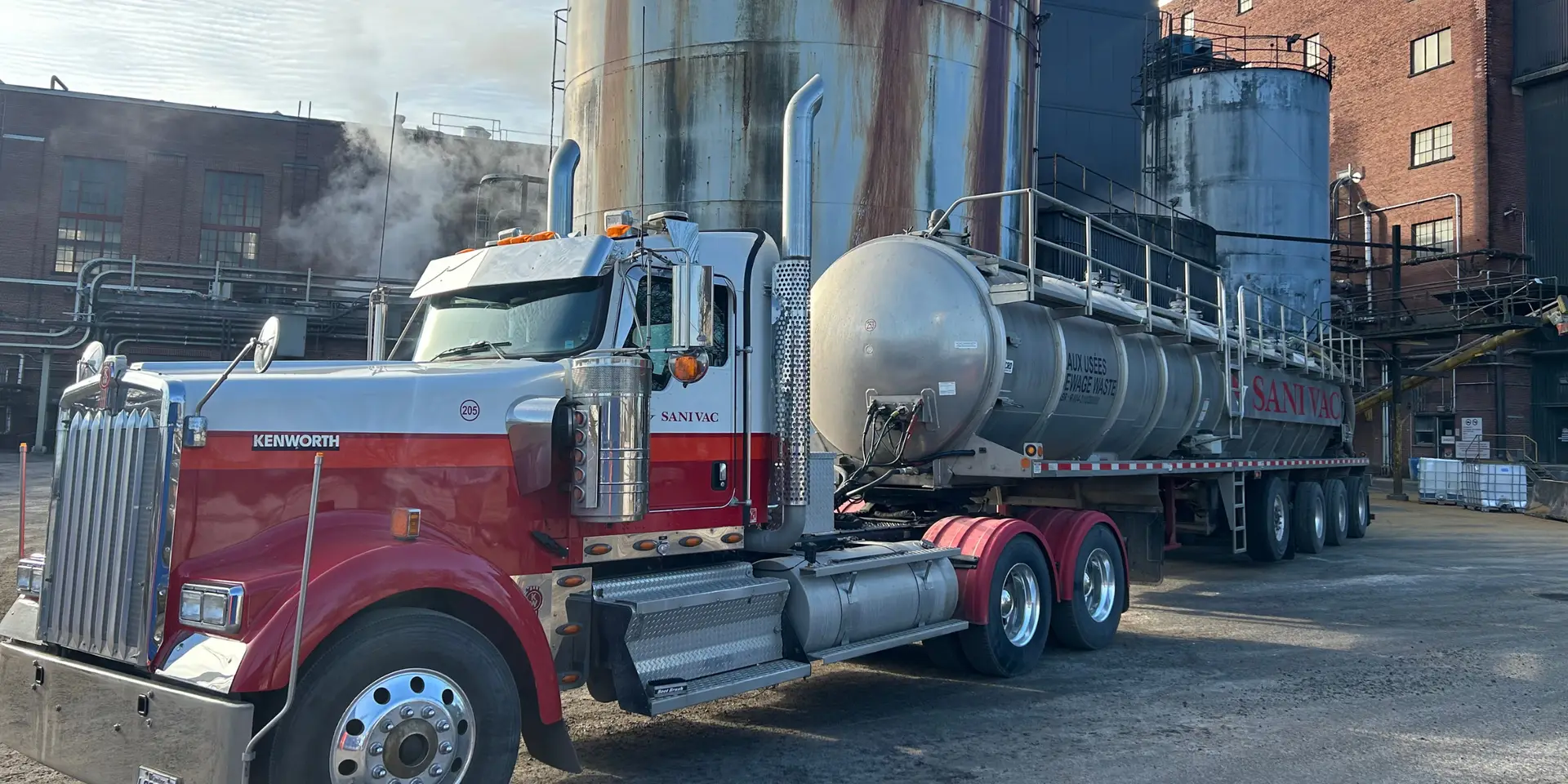
Tanker transport is an essential solution for managing liquid and semi-liquid materials across many industries. Whether it involves wastewater, sludge, industrial residues, agri-food by-products, or water supply needs, this method ensures safe, efficient handling in compliance with environmental regulations. Yet one question frequently arises among managers and operations leaders: in which situations is tanker transport the best option, and why choose it? This article answers that question by outlining its applications, benefits, and the scenarios where a tanker truck becomes a strategic asset.
What exactly is tanker transport ?
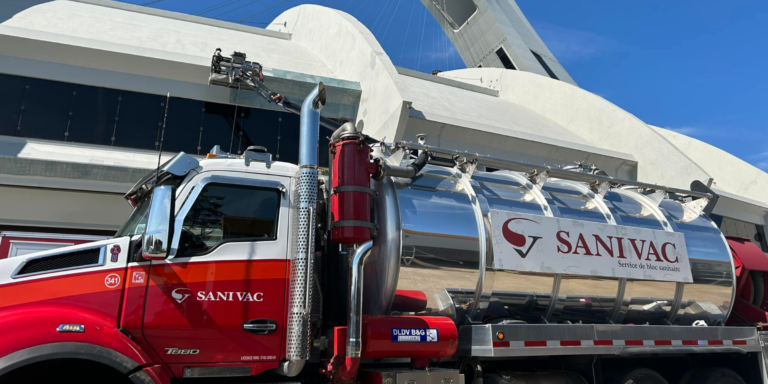
Tanker transport involves pumping, transporting, and disposing of or delivering liquid or semi-liquid materials using tanker trucks specifically designed for this purpose. Unlike conventional container transport, a tanker allows large volumes to be handled continuously, safely, and in a controlled manner. This solution is used for both planned operations and emergency situations, particularly in the industrial, municipal, agri-food, and commercial sectors.
In what contexts is tanker transport indispensable ?
Using a tanker truck becomes essential whenever volume, safety, and rapid response are critical. On industrial sites, it enables the removal of liquid or semi-liquid residues generated by production processes. In the municipal sector, it is used for wastewater management, infrastructure cleaning, or temporary water supply. In the agri-food industry, tanker transport is preferred for handling wash water, processing residues, or liquid by-products. On construction sites, it allows for both large-volume pumping and the management of unexpected situations requiring fast intervention.
Transporting liquid and semi-liquid materials : a versatile solution
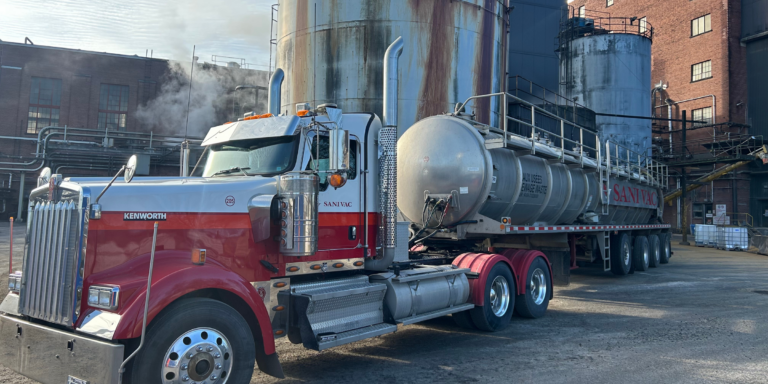
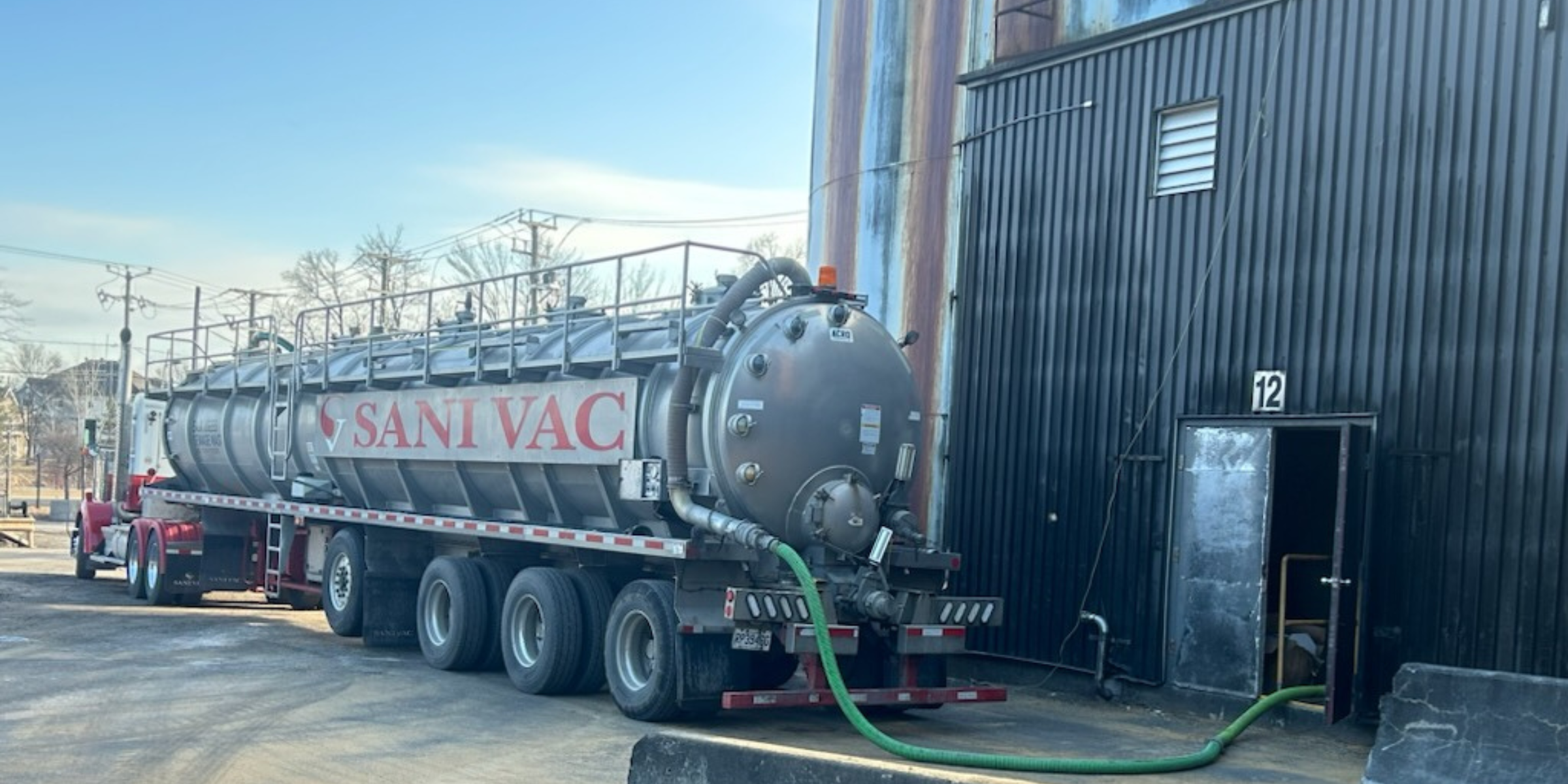
Modern tanker trucks are designed to transport a wide range of materials, including liquids, sludge, and semi-liquid substances. This versatility allows them to meet diverse needs, whether handling industrial residues, wastewater, agri-food materials, or liquids requiring specialized management. With large capacities of up to 8,300 gallons, tanker trucks reduce the number of trips needed. This logistical efficiency shortens timelines, lowers operating costs, and minimizes the environmental footprint associated with transport.
Why choose a tanker truck with an integrated vacuum?
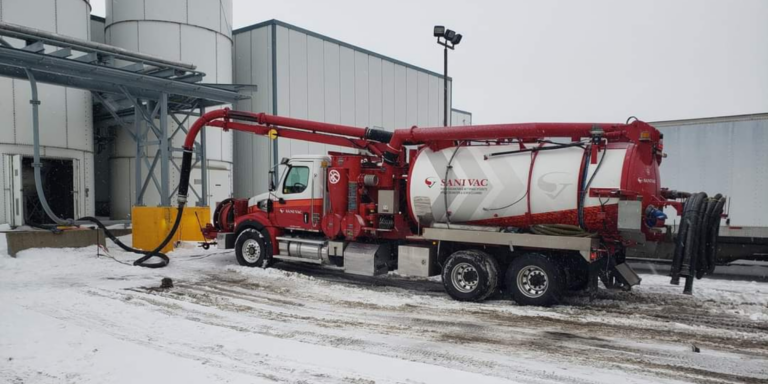
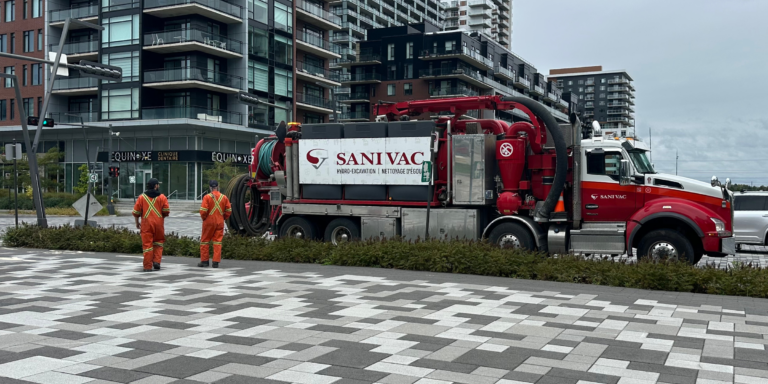
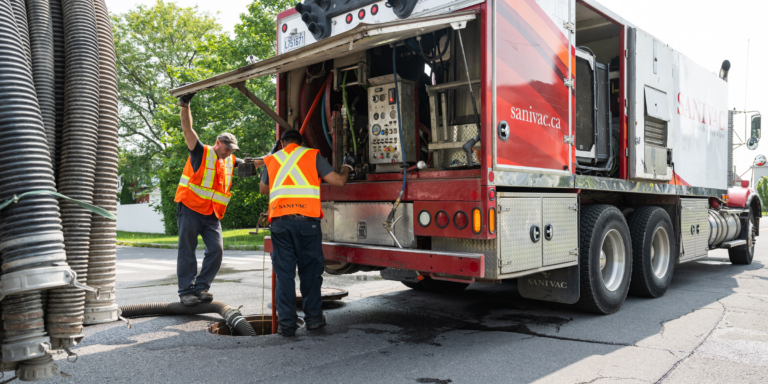
One of the main advantages of modern tanker transport is the integration of a vacuum system directly on the truck. This technology allows pumping and transport to be carried out with a single vehicle, eliminating the need for multiple pieces of equipment on site. This approach greatly simplifies operations, especially in complex or confined environments. It enables faster response, better coordination, and a significant reduction in labor and logistics costs. For construction sites and industrial facilities, this operational efficiency makes all the difference.
A turnkey service: from collection to final disposal
Tanker transport is not limited to moving materials from point A to point B. It is part of a complete management chain, including pumping, transport, and final disposal at authorized facilities. This turnkey approach ensures compliant, safe, and traceable handling, essential for meeting regulatory requirements. Materials are delivered to environmentally responsible facilities approved by the Ministry of the Environment, thereby reducing legal and environmental risks for clients.
Tanker Transport and Emergencies: a Fast and Reliable Solution
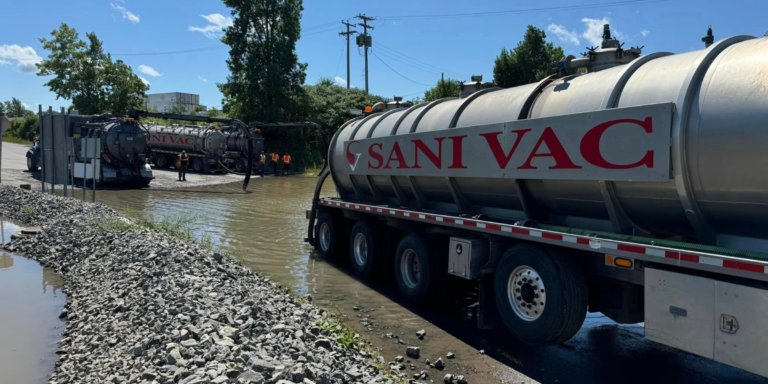
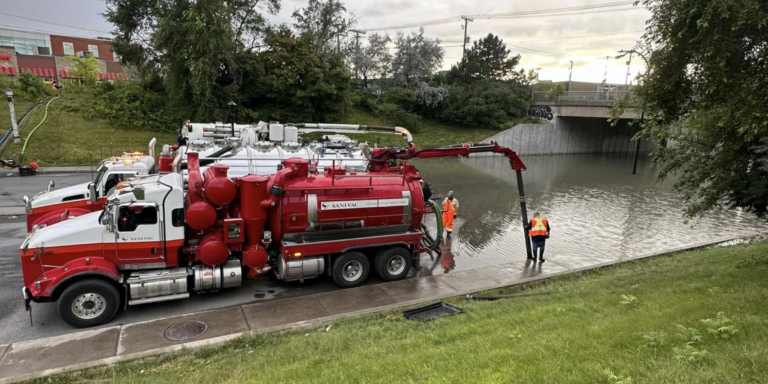
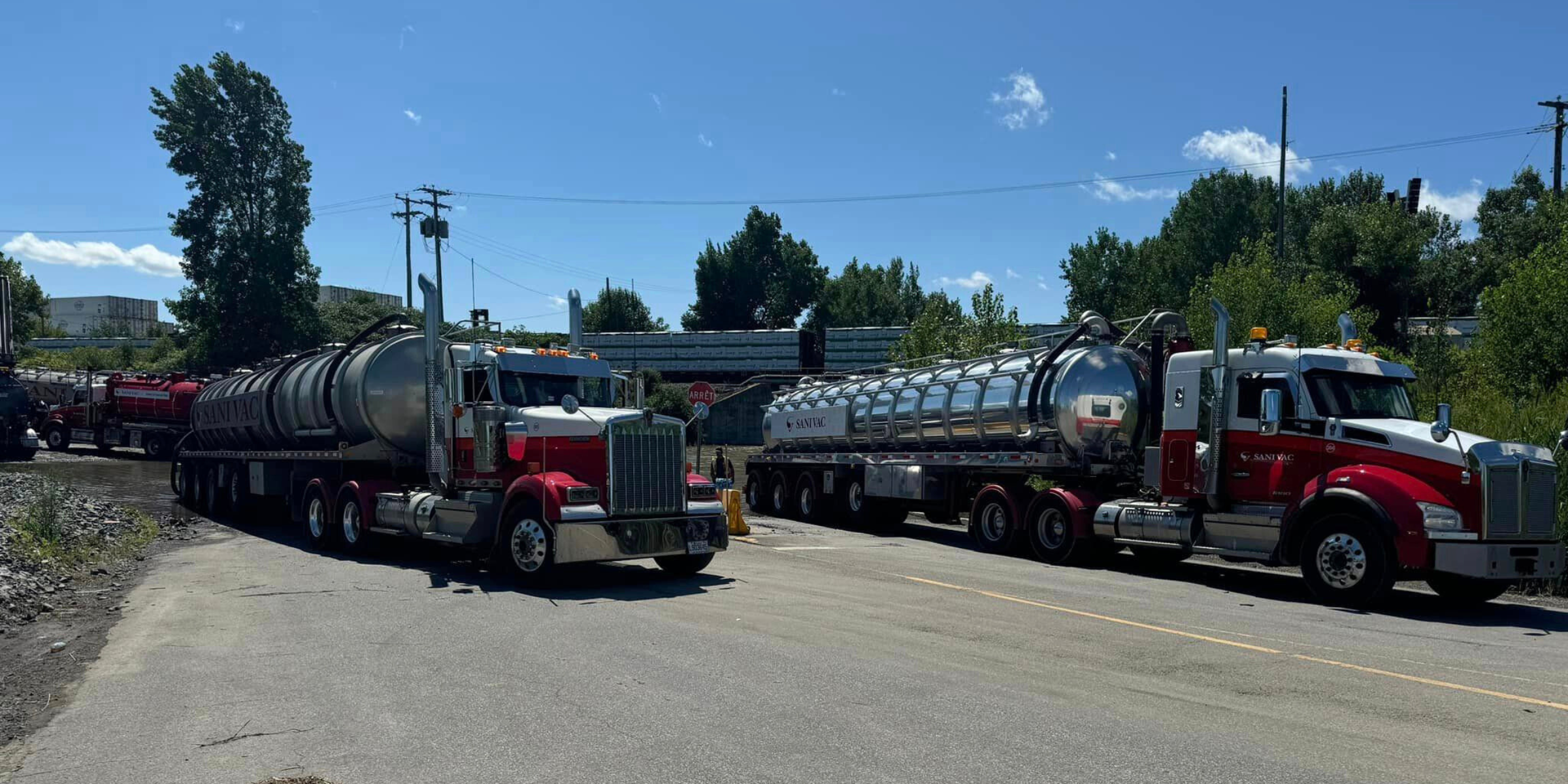
Some situations require an immediate response. Equipment failures, overflows, unexpected accumulation, or environmental incidents often necessitate urgent tanker transport. Around-the-clock availability becomes a critical factor. The ability to respond quickly with properly equipped tanker trucks helps limit impacts, secure the site, and restore operations as quickly as possible. This flexibility is especially valuable in sectors where downtime can lead to significant losses.
Planned Services and Recurring Schedules: Optimizing Operations
Beyond emergencies, tanker transport is also a strategic tool for the recurring management of materials. Scheduled services with predefined frequencies allow transport to be seamlessly integrated into daily or weekly operations. This planning improves predictability, reduces the risk of excessive accumulation, and ensures smooth handling of residual materials. Flexible schedules adapt to the operational realities of each client, whether it’s an industrial site, a municipality, or a construction project.
Water Supply by Tanker Truck
Tanker transport is not only used for removal. It is also employed for water supply, particularly on construction sites, in certain municipalities, or at locations requiring temporary or regular water delivery. This solution ensures continuity of operations even without a permanent connection to the water network.
Why choose Sanivac for tanker transport?
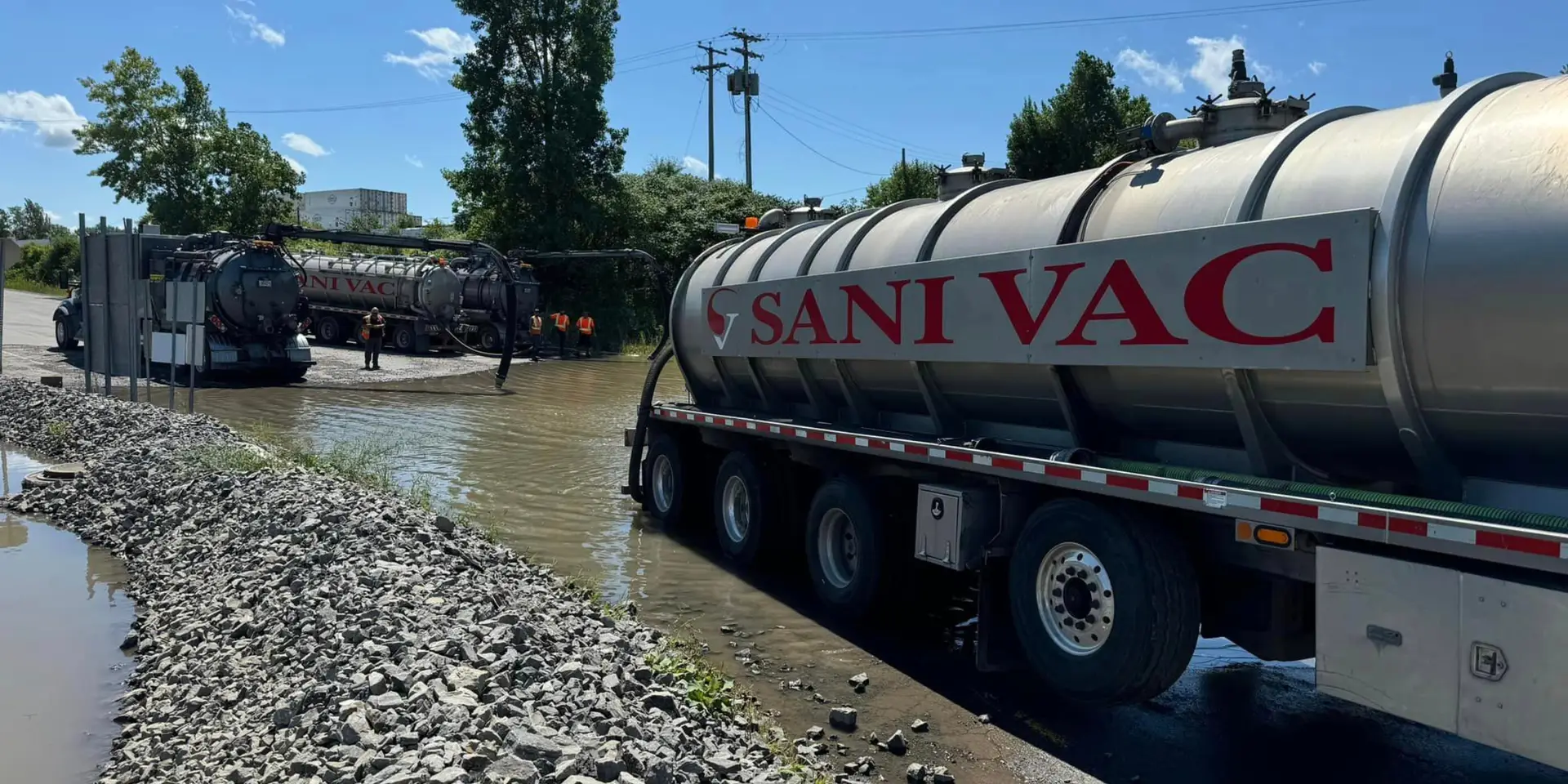
An effective tanker transport service relies on expertise, equipment, and regulatory compliance. With a specialized fleet, high-capacity tanker trucks, and a turnkey approach, Sanivac provides a reliable and safe solution for managing liquid and semi-liquid materials. This comprehensive service allows clients to focus on their core activities while having the assurance that their materials are handled responsibly and in full compliance.
Conclusion: a strategic solution for many sectors
Tanker transport proves to be an essential solution whenever large volumes, safety, compliance, and rapid response are at stake. Whether for planned needs, emergencies, or recurring management, this method offers unmatched flexibility and efficiency. For businesses, municipalities, and project managers, understanding when and why to use tanker transport enables informed decisions, optimized operations, and reduced risks.
👉 When used effectively, tanker transport becomes a true operational and environmental lever.