Skip to content



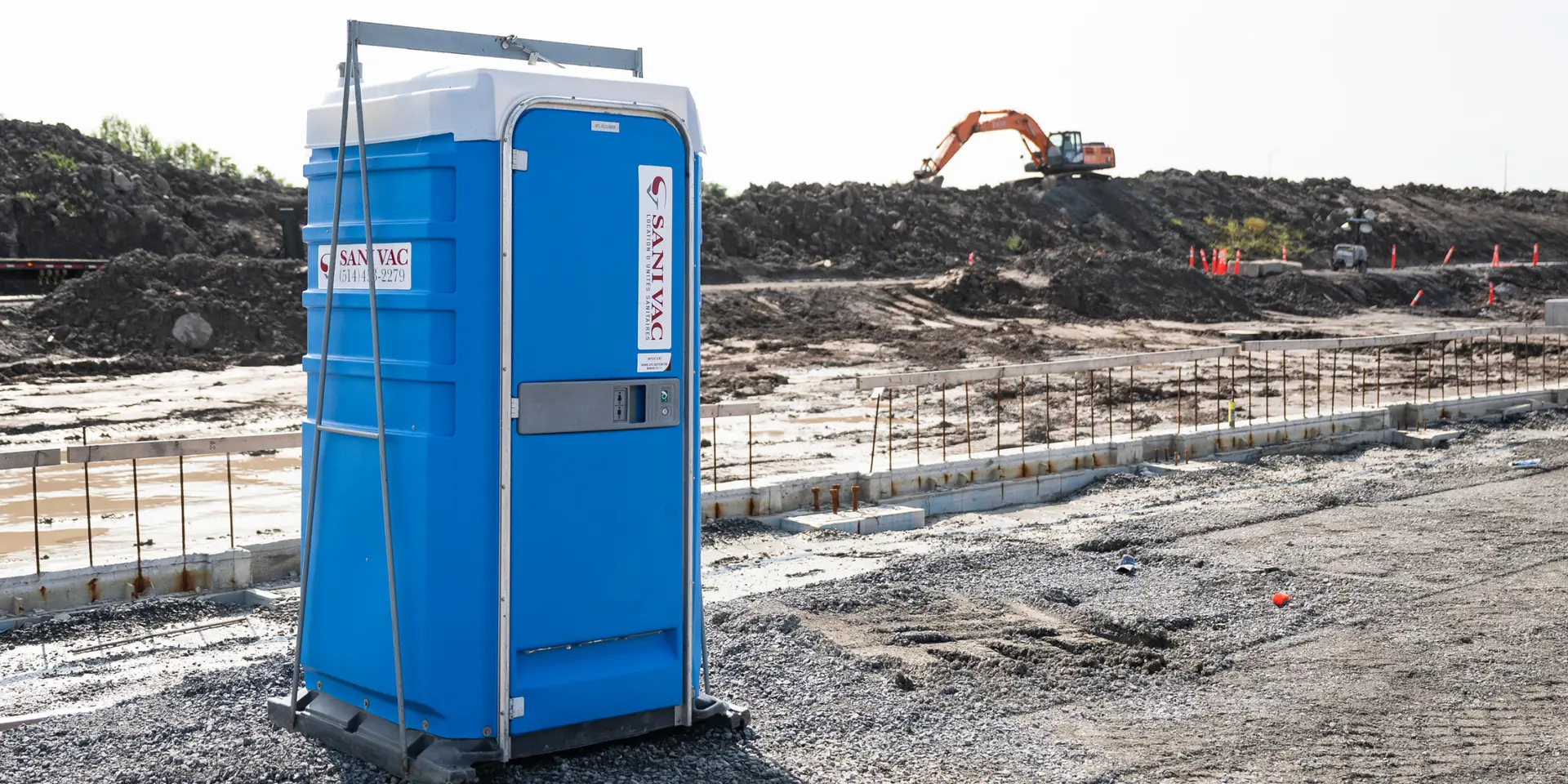
On construction sites, at events, or in temporary settings, access to adequate sanitation facilities is not optional — it is a requirement. A common question from employers, contractors, and project managers is : are portable toilets truly compliant with health and safety standards ? The answer is yes, provided that the units are supplied, maintained, and managed by a specialized provider that meets current regulatory requirements. At Sanivac, compliance with health and safety standards is an integral part of the service offering, for construction sites as well as municipal and commercial projects.
Why do health and safety standards regulate portable toilets ?
Sanitary facilities play a fundamental role in protecting the health of workers and users. The absence of compliant toilets can lead to health risks, inadequate working conditions, and regulatory violations.
The standards are designed in particular to :
- ensure sufficient access to sanitation facilities,
- maintain an acceptable level of hygiene,
- prevent the spread of bacteria and contaminants,
- protect the dignity and well-being of users.
This is why portable toilets are governed by various regulations, particularly in workplace settings.
Compliance of Portable Toilets on Construction Sites
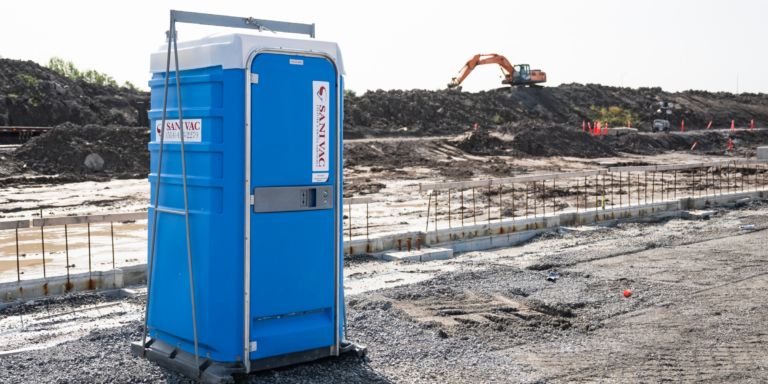
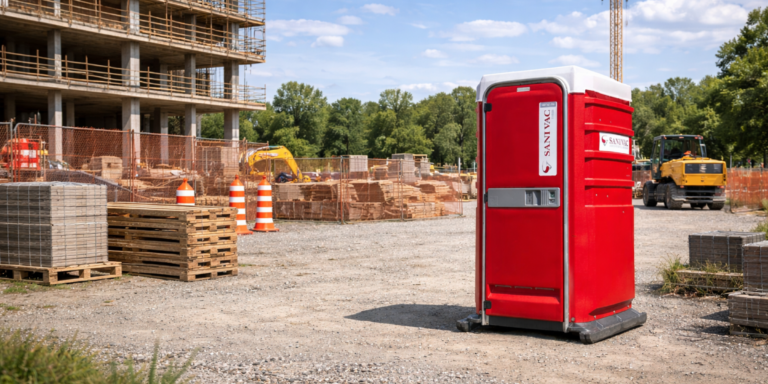
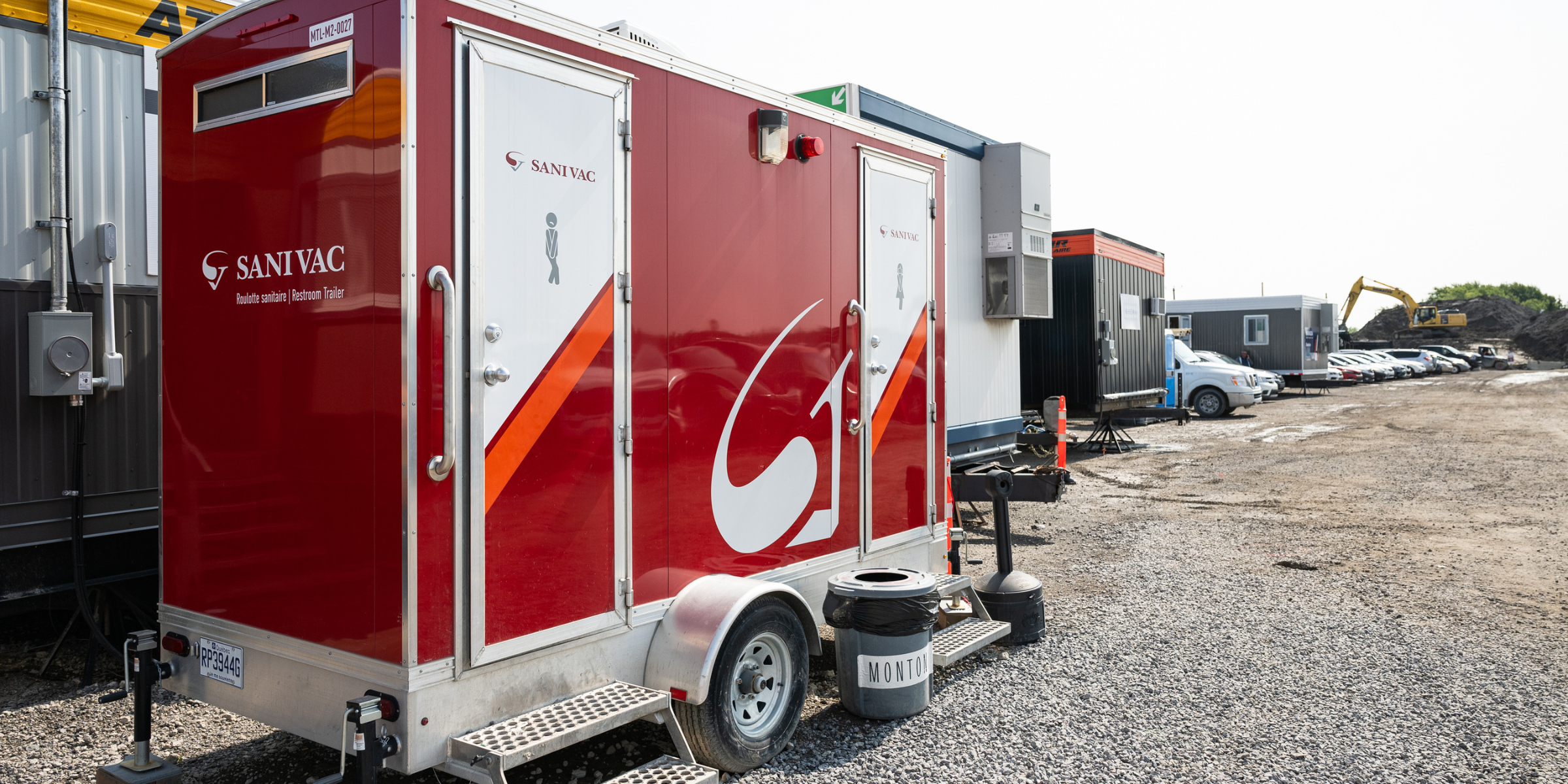
On construction sites, health and safety regulations require that workers have access to clean, functional, and easily accessible sanitary facilities. Portable toilets are recognized as a compliant solution when they are installed in sufficient numbers and properly maintained. Compliance is based on several key factors : the number of units available relative to the number of workers, their location on the site, and the frequency of cleaning and servicing. A clean and well-maintained portable toilet meets the requirements of health and safety authorities, just like permanent sanitary facilities.
The Role of Maintenance in Compliance
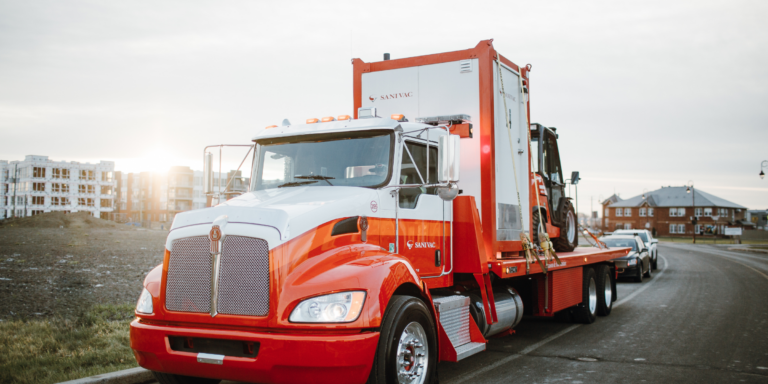
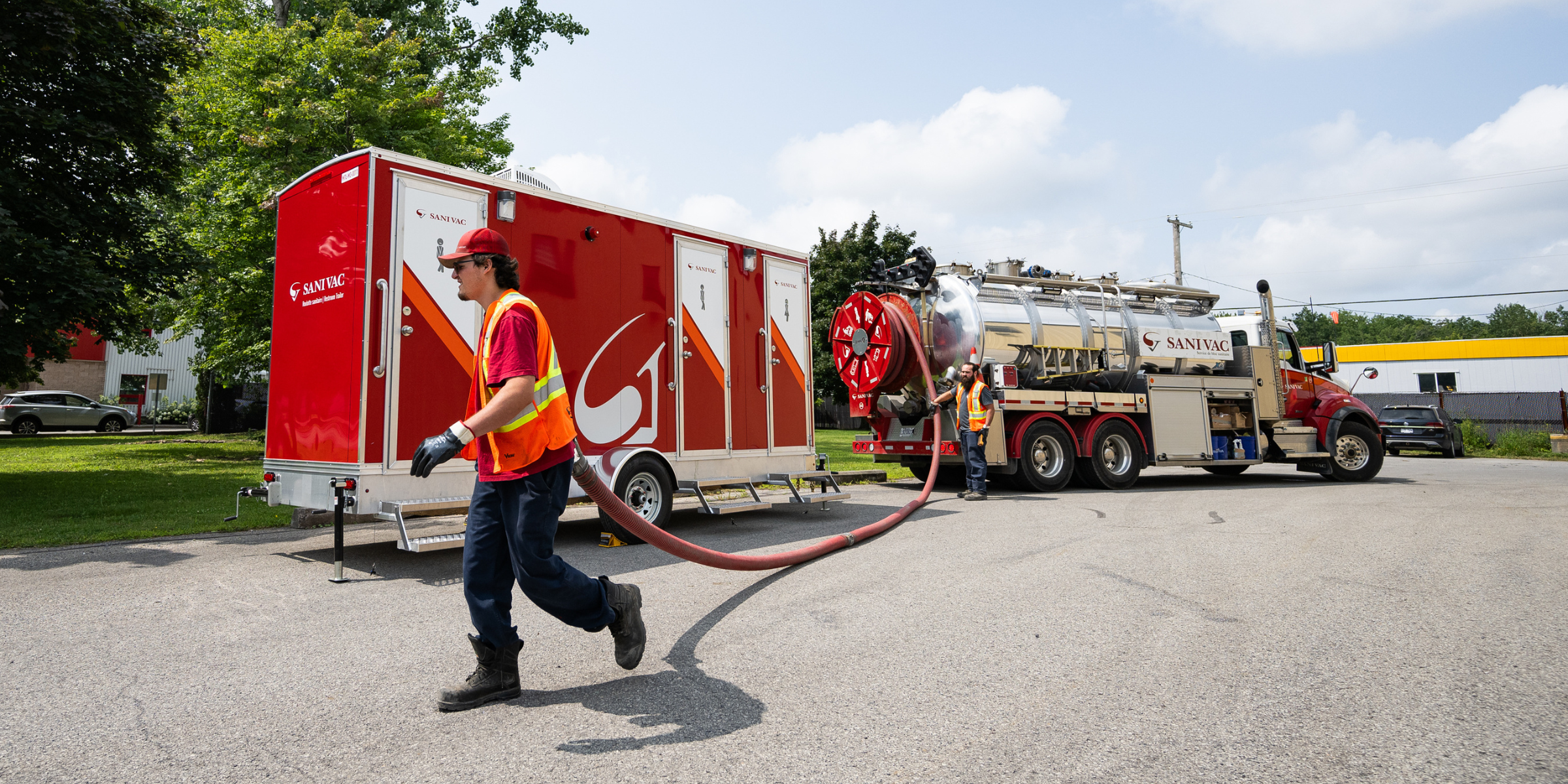
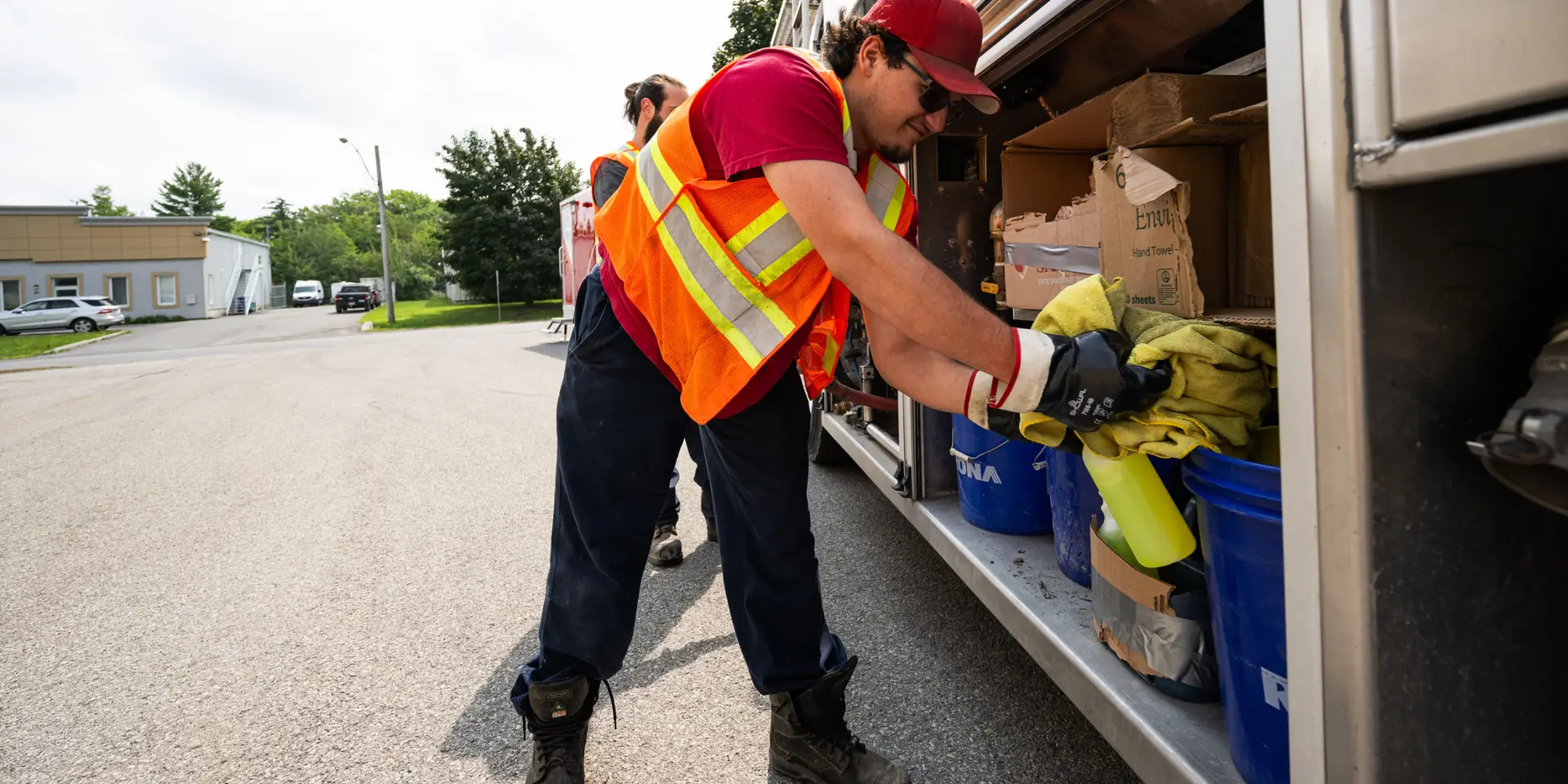
A compliant portable toilet is not just about its structure, but above all about how it is managed and maintained. A poorly maintained unit can quickly become non-compliant, even if it was properly installed initially. At Sanivac, portable toilet rentals include a full maintenance service, covering pumping, cleaning, disinfection, and restocking of consumables. This approach ensures a consistent level of hygiene that meets regulatory expectations. Maintenance frequency is adapted to the usage context, the number of users, and the duration of the project. This flexibility is essential to maintaining compliance throughout the entire rental period.
Portable Toilets and User Hygiene
Health and safety standards place great importance on hygiene. Modern portable toilets are designed to provide a safe environment, including :
- leak-proof holding tanks,
- appropriate sanitary products,
- adequate ventilation,
- easy-to-clean surfaces.
When maintenance is carried out regularly by a specialized provider, these facilities help limit odors, prevent the buildup of contaminants, and protect users’ health.
Portable Toilets and Winter Compliance
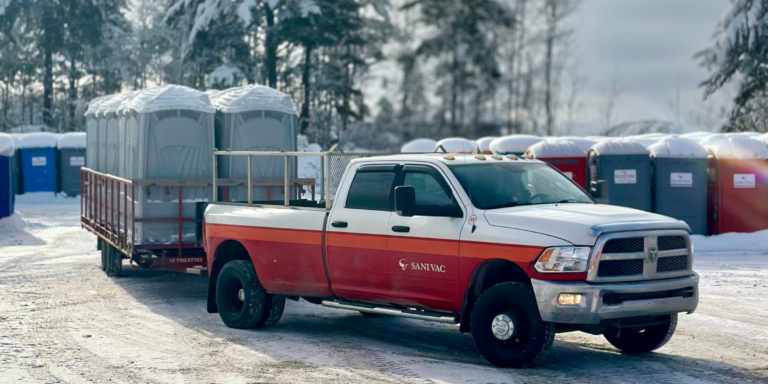
A common concern is the use of portable toilets during the winter season. Health and safety standards still apply in winter, and facilities must remain functional despite cold conditions. Winterized portable toilets — using antifreeze products, heaters, and insulated covers — make it possible to maintain compliance even in low temperatures. In addition, a maintenance fleet adapted to winter conditions is essential to ensure continuity of service.
Sanitary Units and Trailer Units : A Higher Level of Compliance
In certain contexts, particularly for long-term projects or high-traffic sites, more robust solutions such as sanitary units or restroom trailers may be preferred. These units, often built with rigid structures and equipped with real toilets, provide greater comfort while fully meeting health and safety standards. However, it is important to note that standard portable toilets, when properly managed, remain fully compliant and widely accepted by authorities.
Employer and Provider Responsibilities
Compliance with health and safety standards is a shared responsibility. The employer or site manager must ensure that a sufficient number of toilets is provided and that they are easily accessible. The provider, on the other hand, must guarantee the quality of the units, their maintenance, and their technical compliance. Working with a specialized provider like Sanivac helps simplify this process. The provider’s expertise helps prevent shortcomings, complaints, and potential penalties during inspections.
Inspections and Audits : A Real Concern
Construction sites and temporary locations may be subject to inspections by the relevant authorities. During these inspections, the condition of sanitary facilities is often reviewed. Clean, well-maintained, and sufficiently available portable toilets demonstrate responsible and compliant site management. A turnkey rental service, including documentation and scheduled maintenance, greatly helps meet these requirements.
Why Choosing an Experienced Provider Is Essential
Not all portable toilets are created equal, and not all providers offer the same level of service. An experienced company has :
- compliant, well-maintained units,
- rigorous maintenance procedures,
- rapid response capabilities,
- a thorough understanding of regulatory requirements.
This expertise is a key factor in ensuring the ongoing compliance of temporary sanitary facilities.
Conclusion : Yes, Portable Toilets Are Compliant When Properly Managed
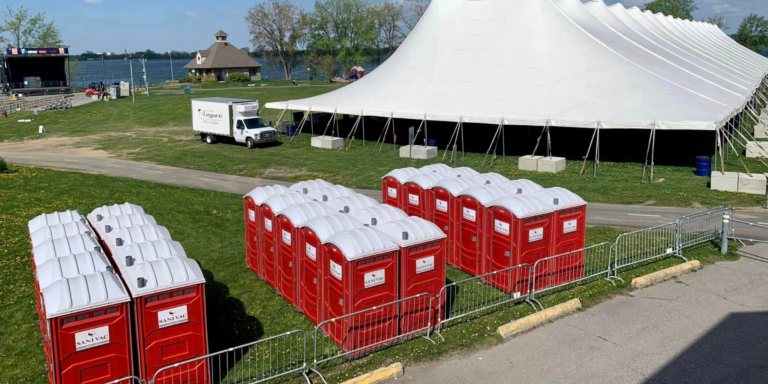
Portable toilets fully comply with health and safety standards, provided they are supplied by a specialized provider, properly installed, and regularly maintained. They are a recognized, effective, and safe solution for construction sites, events, and temporary projects.
Through rigorous management, included maintenance, and proven expertise, companies like Sanivac enable employers and project managers to meet their obligations while providing a clean and safe environment for users.
👉 Need to ensure your temporary sanitary facilities are compliant ? Professional support makes all the difference.