Skip to content



An accidental spill or environmental emergency can occur at any time : on a roadway, in an industrial setting, on a construction site, or even in a body of water. Whether it involves hydrocarbons, contaminated liquids, polluted soil, or residual materials, the speed and quality of the response are critical to limiting environmental, financial, and regulatory impacts. In situations like these, one question comes up frequently : what should be done in the event of a spill or environmental emergency ? This article walks you through the essential steps and explains why professional intervention is crucial.
Why an Environmental Emergency Requires Immediate Action
When a spill occurs, contaminants can spread very quickly. On roadways, they can reach storm sewers. In industrial environments, they can infiltrate soils. In bodies of water, they can affect wildlife, vegetation, and water quality within hours. The longer the response is delayed, the more severe the consequences become : expansion of the contaminated area, increased volumes to be treated, greater complexity of decontamination work, and significantly higher costs. A rapid response helps contain the situation, reduce the extent of damage, and meet regulatory obligations.
First Step : Securing the Site and Limiting the Spread
La toute première action lors d’un déversement consiste à sécuriser la zone afin de protéger les personnes et d’éviter que la contamination ne s’étende. Cela implique le contrôle de l’accès au site, l’élimination des sources d’ignition lorsque des hydrocarbures sont en cause et la mise en place de mesures de confinement. Dans le cadre d’une intervention spécialisée, des équipements adaptés sont utilisés pour contenir le déversement, canaliser les liquides et empêcher leur dispersion vers les réseaux d’égouts, les sols ou les cours d’eau. Cette phase est essentielle pour stabiliser la situation avant de procéder au nettoyage.
Emergency Response to Accidental Spills
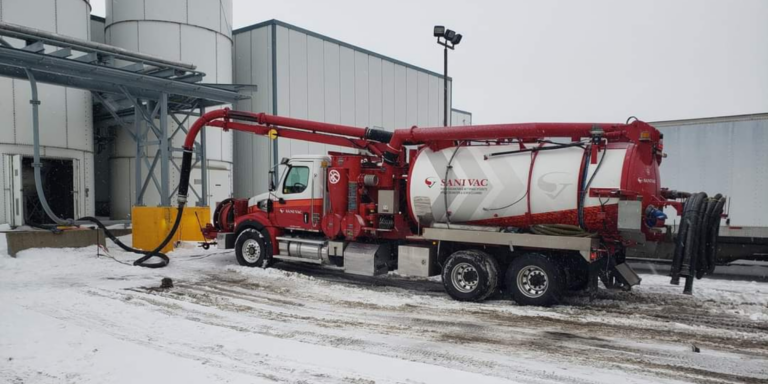
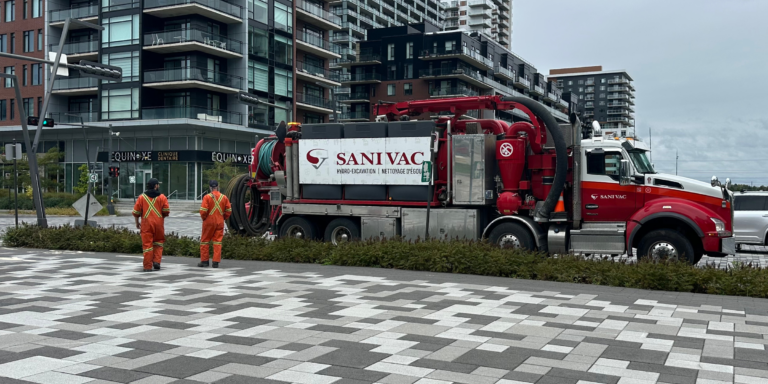
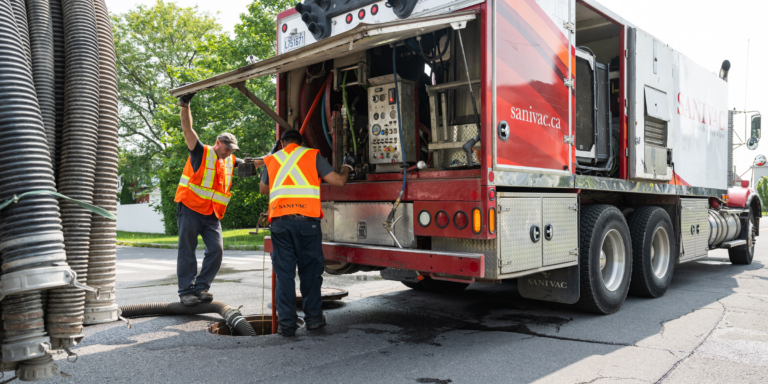
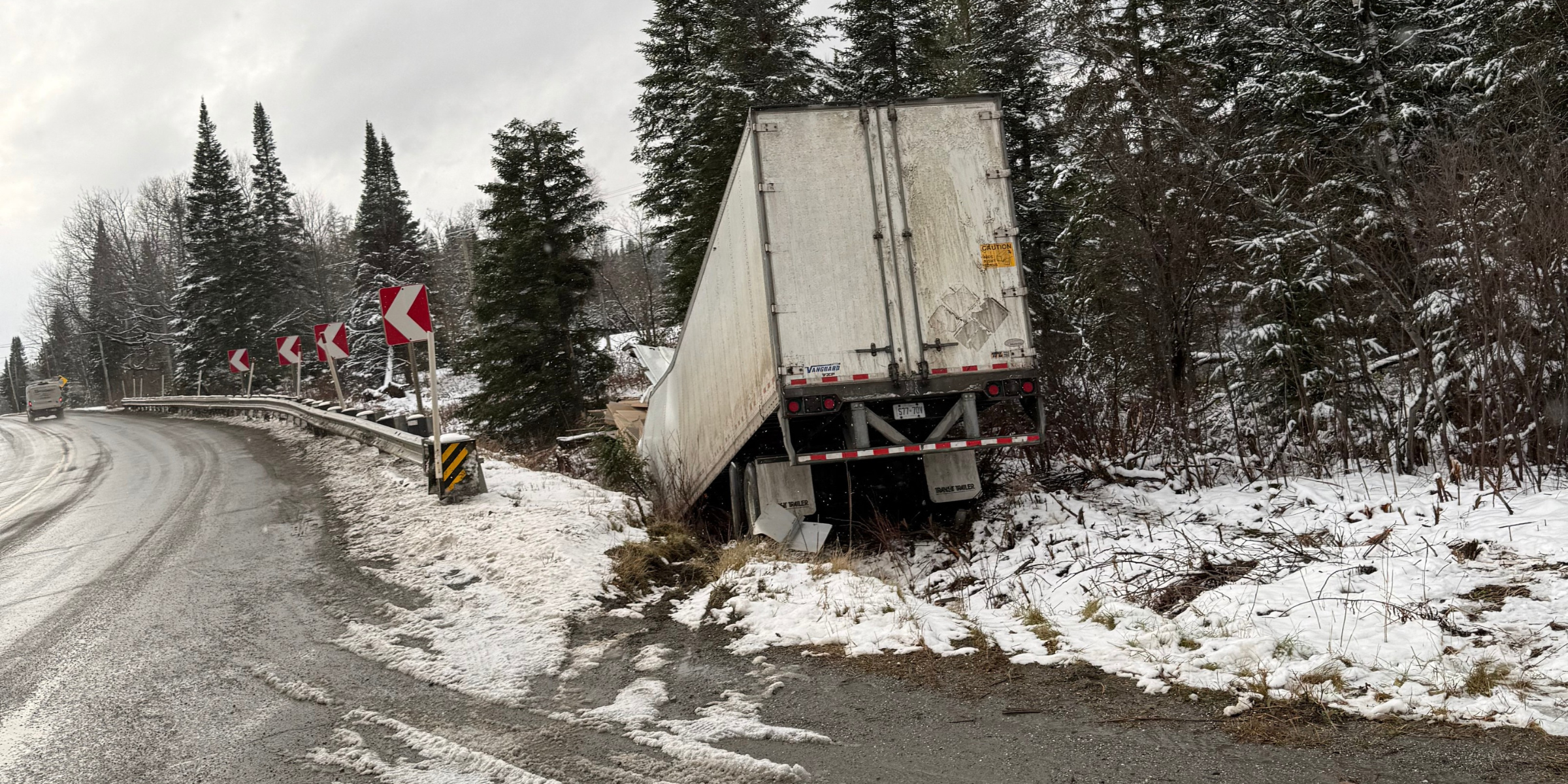
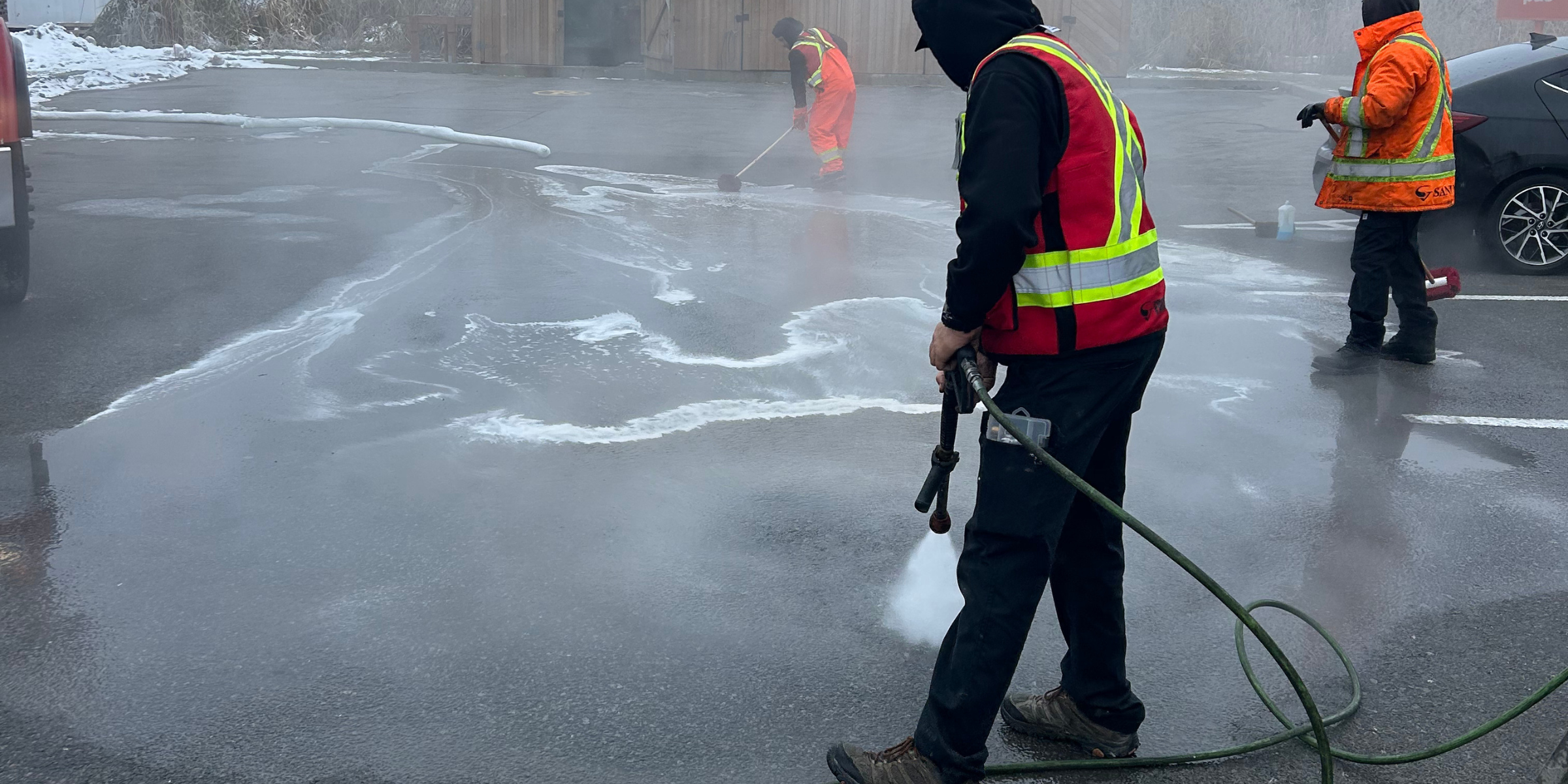
Spills can occur in many contexts : traffic accidents, equipment failure, industrial incidents, or handling errors. An effective emergency response relies on a structured approach combining containment, pumping, and cleaning. Specialized teams have the required equipment to quickly pump spilled materials, whether hydrocarbons, contaminated liquids, or residual materials. Cleanup is then carried out in a controlled manner to restore the site to a safe condition, while complying with current environmental standards.
Spills in Bodies of Water and Sensitive Environments
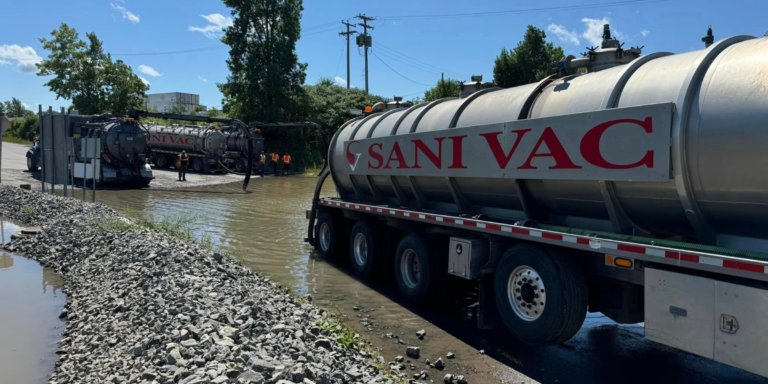
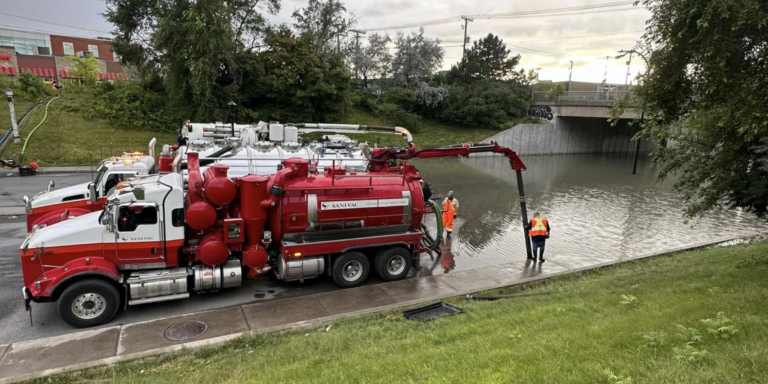
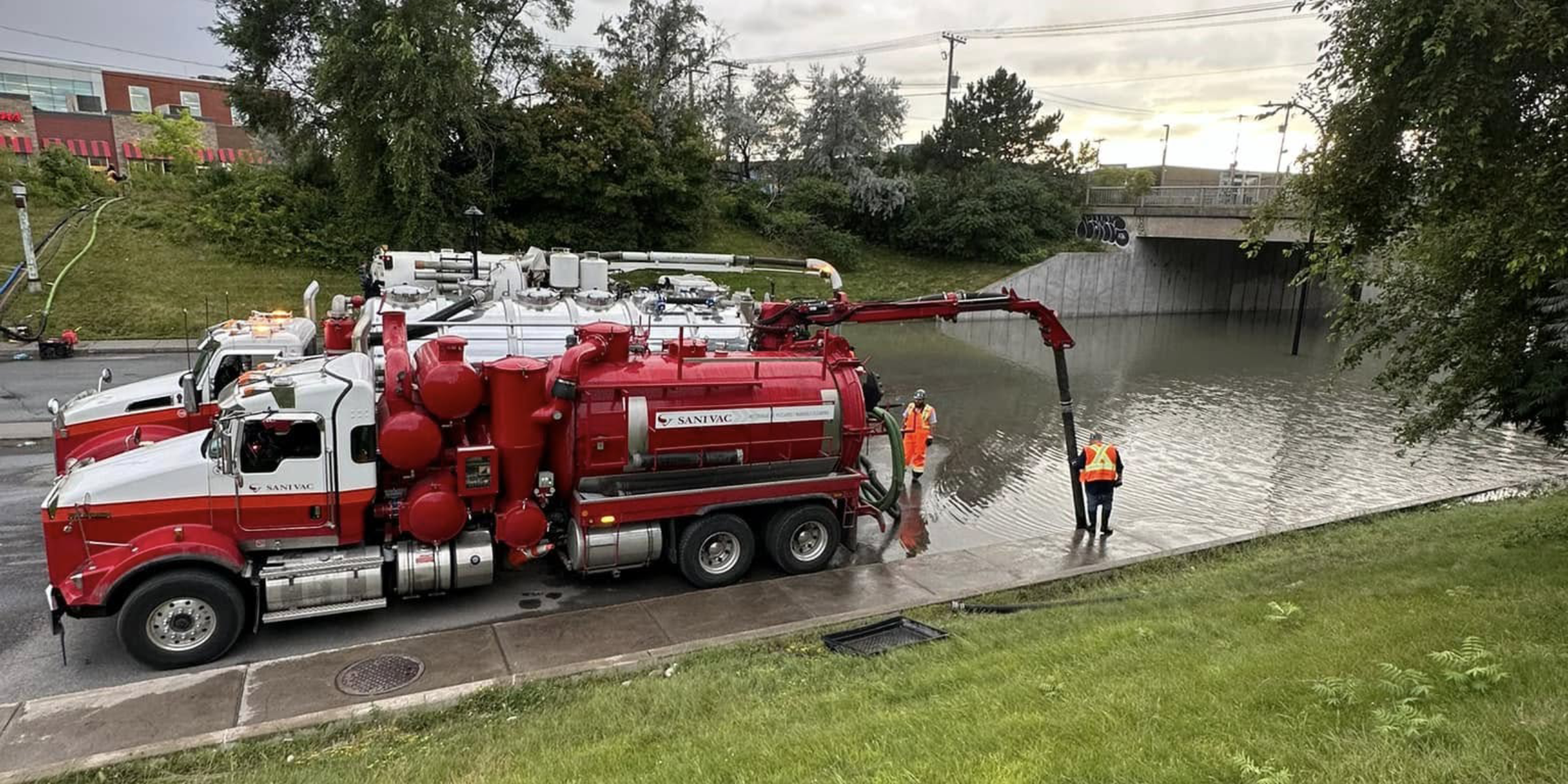
When a spill reaches a body of water or a natural environment, the situation becomes even more critical. Contaminants can spread rapidly and affect entire ecosystems. In such cases, the response must be both swift and extremely controlled. Specific containment measures are implemented to limit dispersion, followed by pumping and recovery operations. The methods used are adapted to the environment in order to minimize impact while complying with the requirements of environmental authorities. This approach helps protect ecosystems and reduce long-term consequences.
When a Spill Leads to Soil Contamination
A spill can also contaminate soil, particularly during industrial incidents, prolonged leaks, or uncontrolled releases. In these situations, surface cleaning alone is not sufficient. Managing contaminated soil involves several steps : contamination assessment, excavation of affected soils, transportation, and disposal or treatment at authorized facilities. Soils may be contaminated by hydrocarbons, metals, or other substances classified according to regulatory standards (A-B, B-C, C-D). A rigorous management process ensures that soils are treated or disposed of in compliance, while limiting environmental and legal risks for site owners or managers.
Management and Disposal of Contaminated Materials
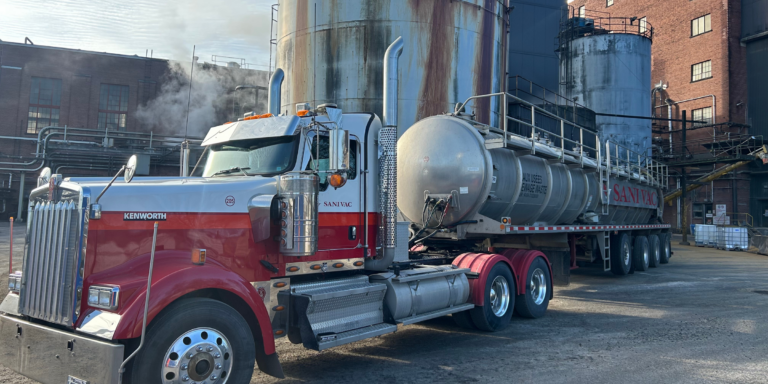
Beyond immediate cleanup, an environmental emergency always raises a key question : what should be done with the recovered materials ? Grease, hydrocarbons, contaminated soils, polluted water, and residual materials must be managed according to strict rules. Disposal and treatment must be carried out at authorized facilities, with full traceability. This responsible management is essential to demonstrate regulatory compliance and protect companies or municipalities in the event of inspections or environmental follow-ups.

The Importance of a Single, Structured Partner
In an environmental emergency, involving multiple service providers can complicate coordination and extend response times. This is why many organizations choose a single partner capable of managing the entire process : emergency response, pumping, cleaning, excavation, transportation, disposal, and regulatory compliance. This turnkey approach simplifies crisis management, reduces the risk of errors, and ensures clear communication with the relevant authorities.
Essential Complementary Services in Emergency Situations
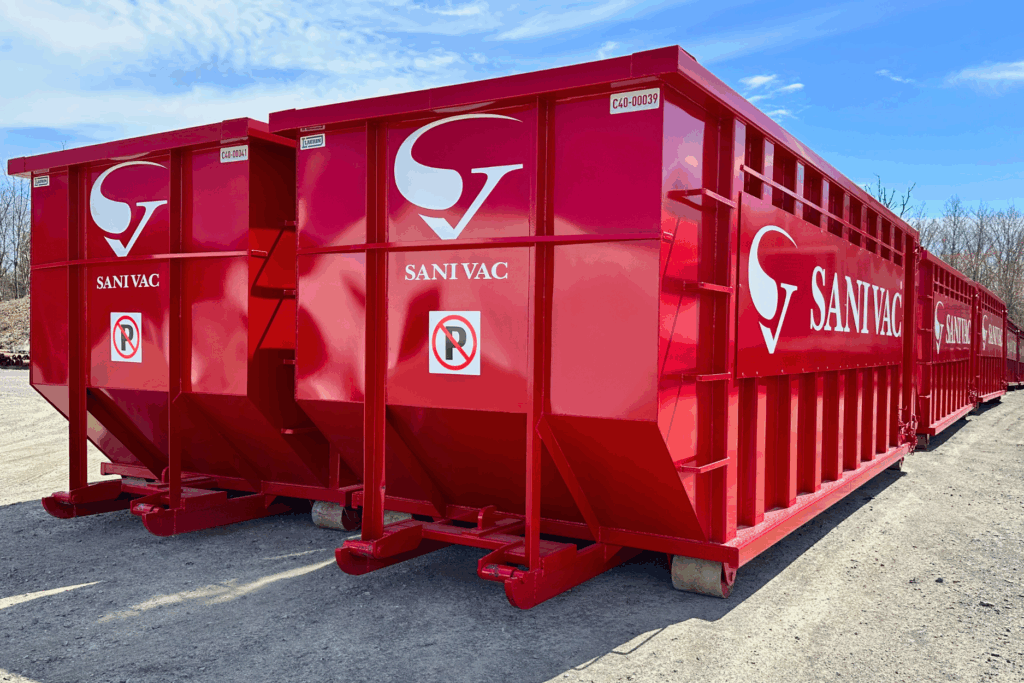
Some situations require additional solutions to ensure safe and effective management. The rental of sealed tanks and containers, for example, allows for the temporary storage of contaminated materials. Contaminated materials pumping and general pumping services provide the flexibility needed to adapt to different scenarios, whether planned or unforeseen. These additional services contribute to comprehensive and secure management of environmental emergencies.
Why Acting Quickly Makes All the Difference
Rapid intervention following a spill helps limit the spread of contaminants, reduce environmental impact, and significantly lower decontamination costs. Delayed response often leads to more complex work, longer timelines, and increased liability. This is why environmental emergency services available 24 hours a day, 7 days a week play a crucial role in protecting natural environments, infrastructure, and the organizations involved.
Conclusion : Being Prepared Before an Emergency Occurs
A spill or environmental emergency can happen without warning. Knowing what to do, who to contact, and how to respond can make the difference between a controlled situation and a major crisis. By relying on environmental management experts, it is possible to ensure a fast, structured, and compliant response, while protecting the environment and reducing financial and regulatory impacts.
👉 When it comes to environmental emergencies, speed and expertise are your strongest allies.
📞 Need an intervention or information ? Contact us !