
In restaurants and commercial kitchens, the management of used cooking oil is an operational, sanitary, and regulatory issue that is often underestimated. Yet poor handling of oils and grease can quickly lead to costly consequences: clogged drains, backups, persistent odors, grease trap overflows, and non-compliance during municipal inspections.
This is why more and more establishments rely on professional used cooking oil collection services, integrated into a comprehensive facility maintenance approach. This article answers the most frequently asked questions on Google to help restaurateurs understand best practices and prevent emergencies.
Why is used cooking oil a problem in commercial kitchens?
Every day, commercial kitchens generate large volumes of oil from fryers, griddles, and foodservice equipment. Once cooled, this oil solidifies, sticks to the walls of pipes, and traps food residues.
When discharged into drains or improperly stored, it contributes to grease buildup in plumbing systems and overloads grease traps. Over time, this significantly increases the risk of blockages, backups, and emergency interventions that can disrupt operations and harm an establishment’s reputation.
Can cooking oil be disposed of in the sewer system?
No. This is one of the most searched questions online, and the answer is unequivocal: cooking oil should never be poured down drains.
Most municipalities prohibit this practice because it contributes to sewer blockages and environmental overflows. Establishments that fail to comply risk fines, notices of non-compliance, and, in some cases, temporary closures.
What is used cooking oil collection?
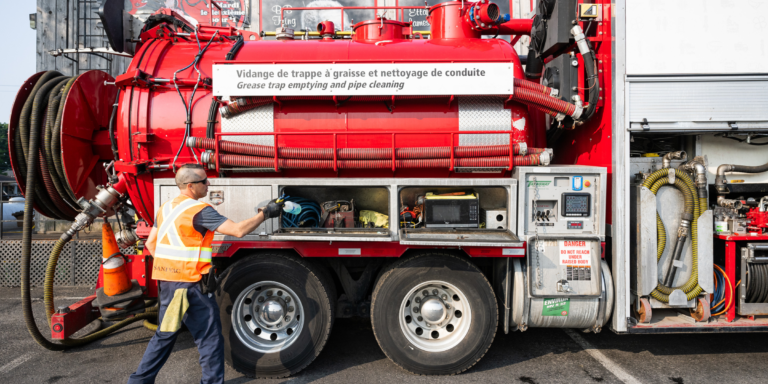
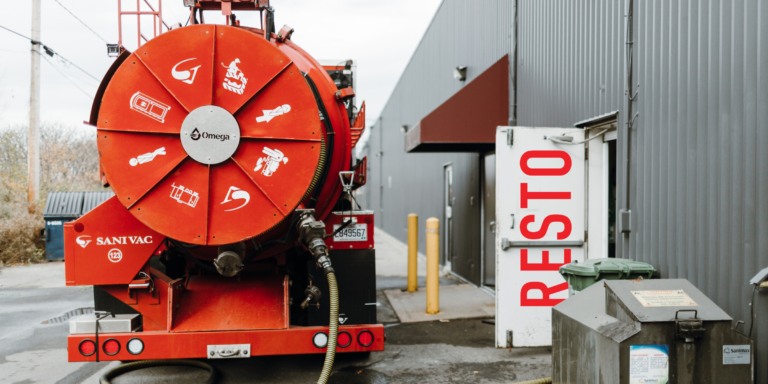
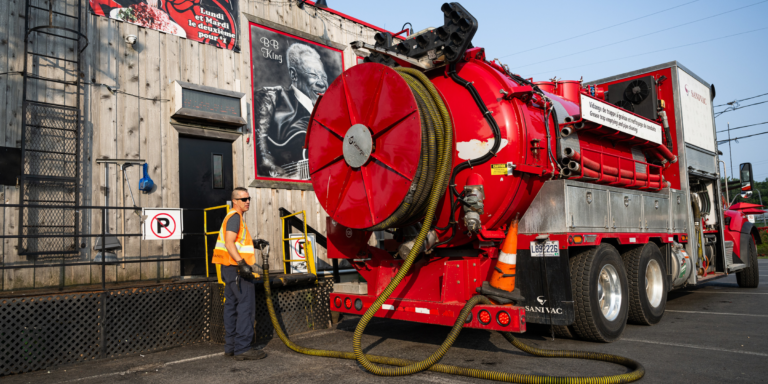
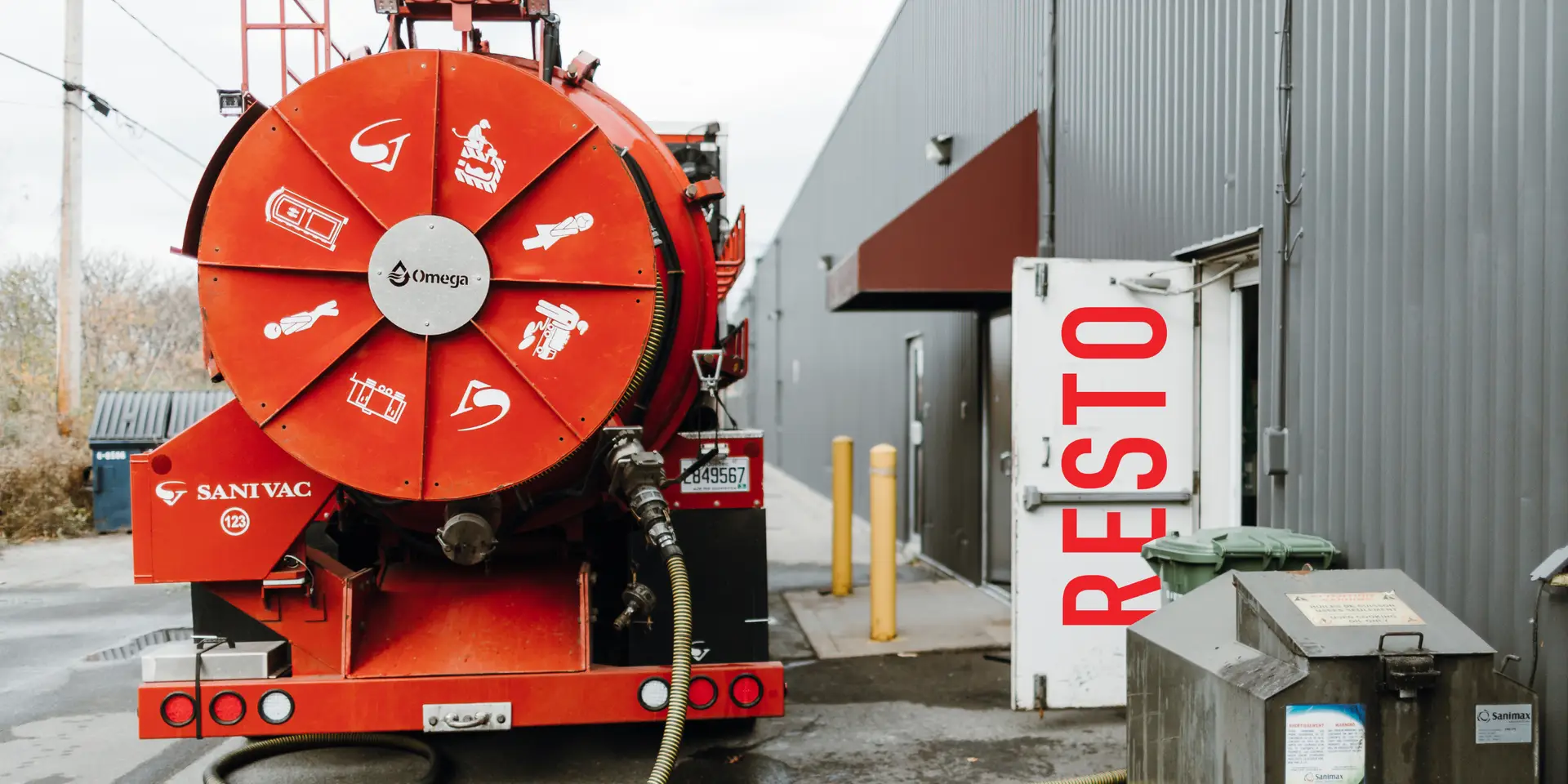
Used cooking oil collection is a specialized service that involves collecting used oils and grease directly from commercial kitchens using safe, appropriate containers.
These materials are then transported to authorized treatment or recovery facilities in accordance with environmental standards. This approach allows restaurateurs to dispose of used oil in a clean, safe, and compliant manner, without risky handling by staff.
What is the link between cooking oil and grease traps?
Cooking oil management is directly linked to the proper functioning of commercial grease traps. These systems are designed to intercept fats before they reach the sewer network. However, when excessive amounts of oil are discharged into drains, the trap fills quickly and loses efficiency.
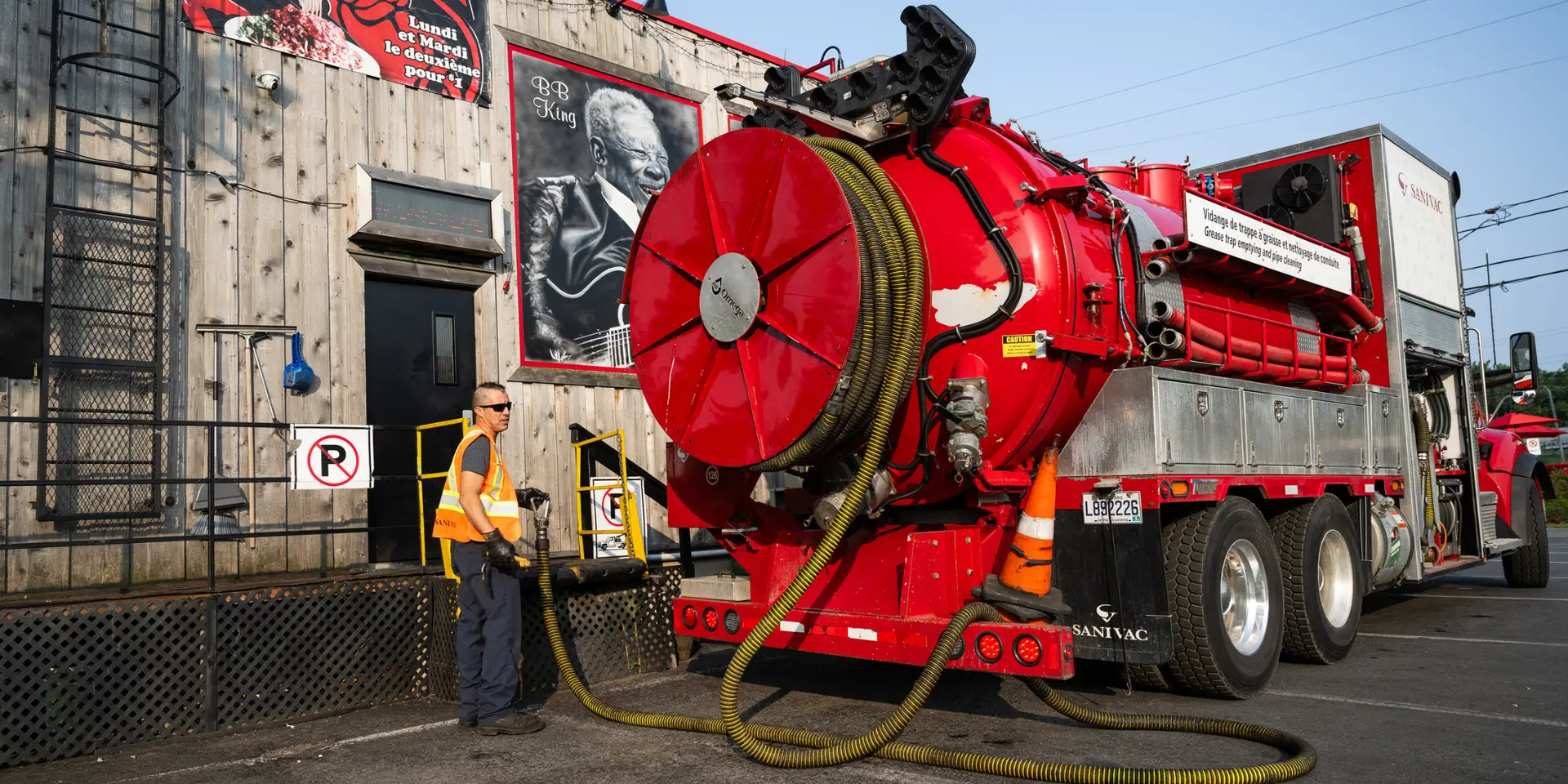
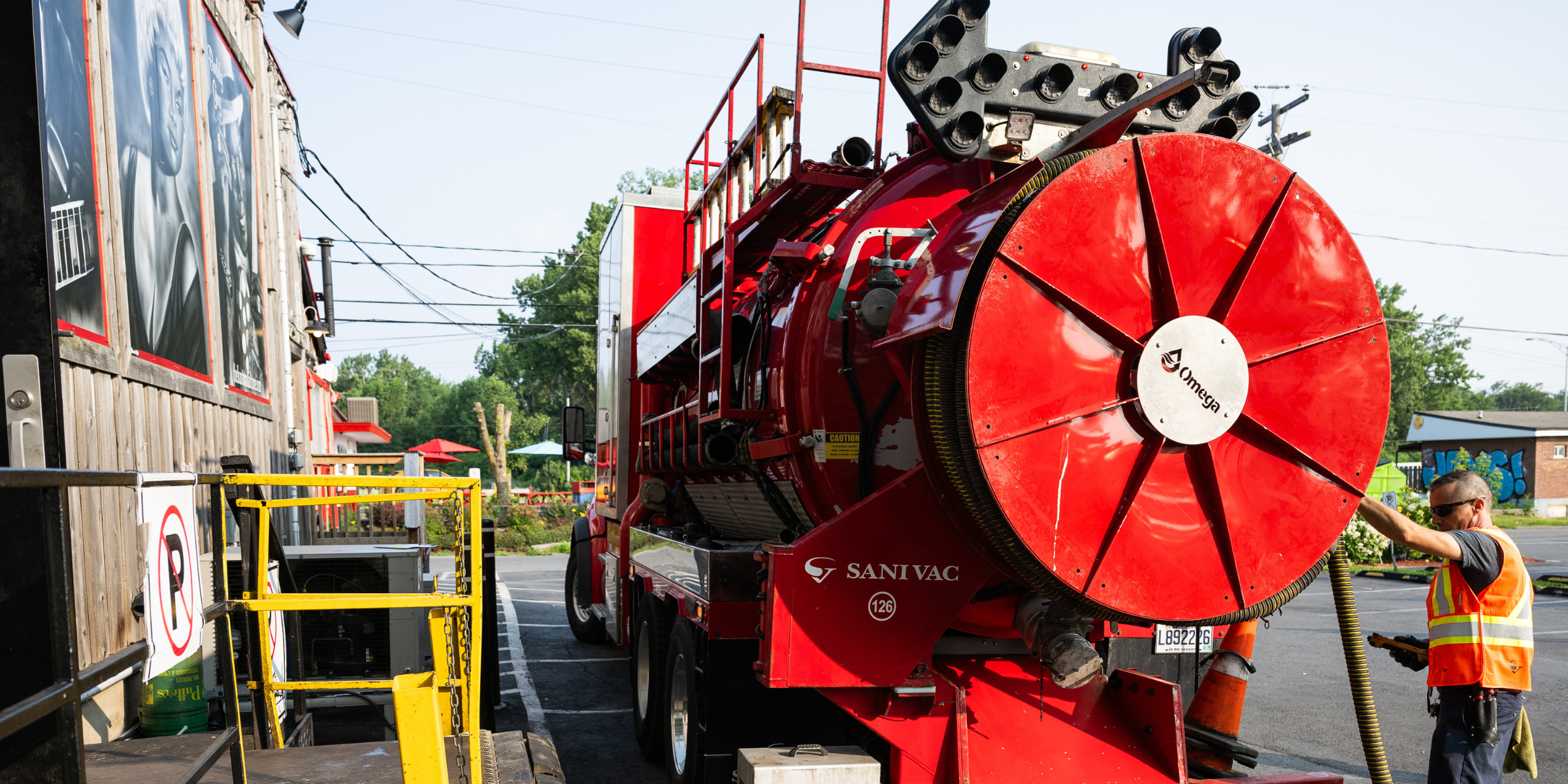
By combining a used cooking oil collection service with professional grease trap pumping and cleaning, commercial kitchens significantly reduce the risk of overflows, backups, and odors. This integrated approach extends the lifespan of infrastructure and ensures ongoing compliance during municipal and health inspections.
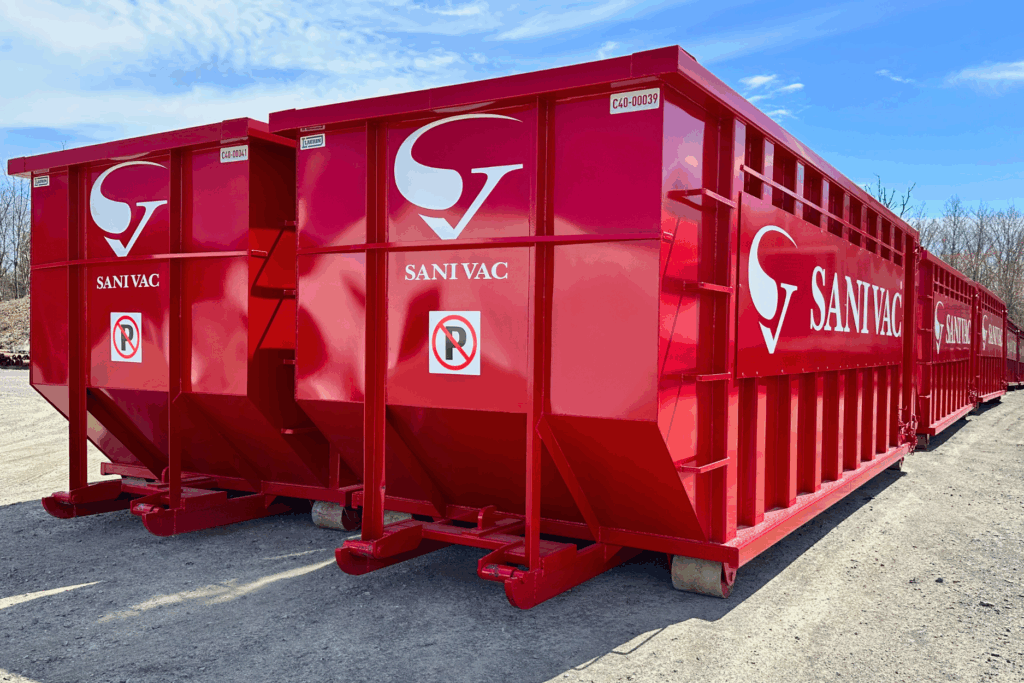
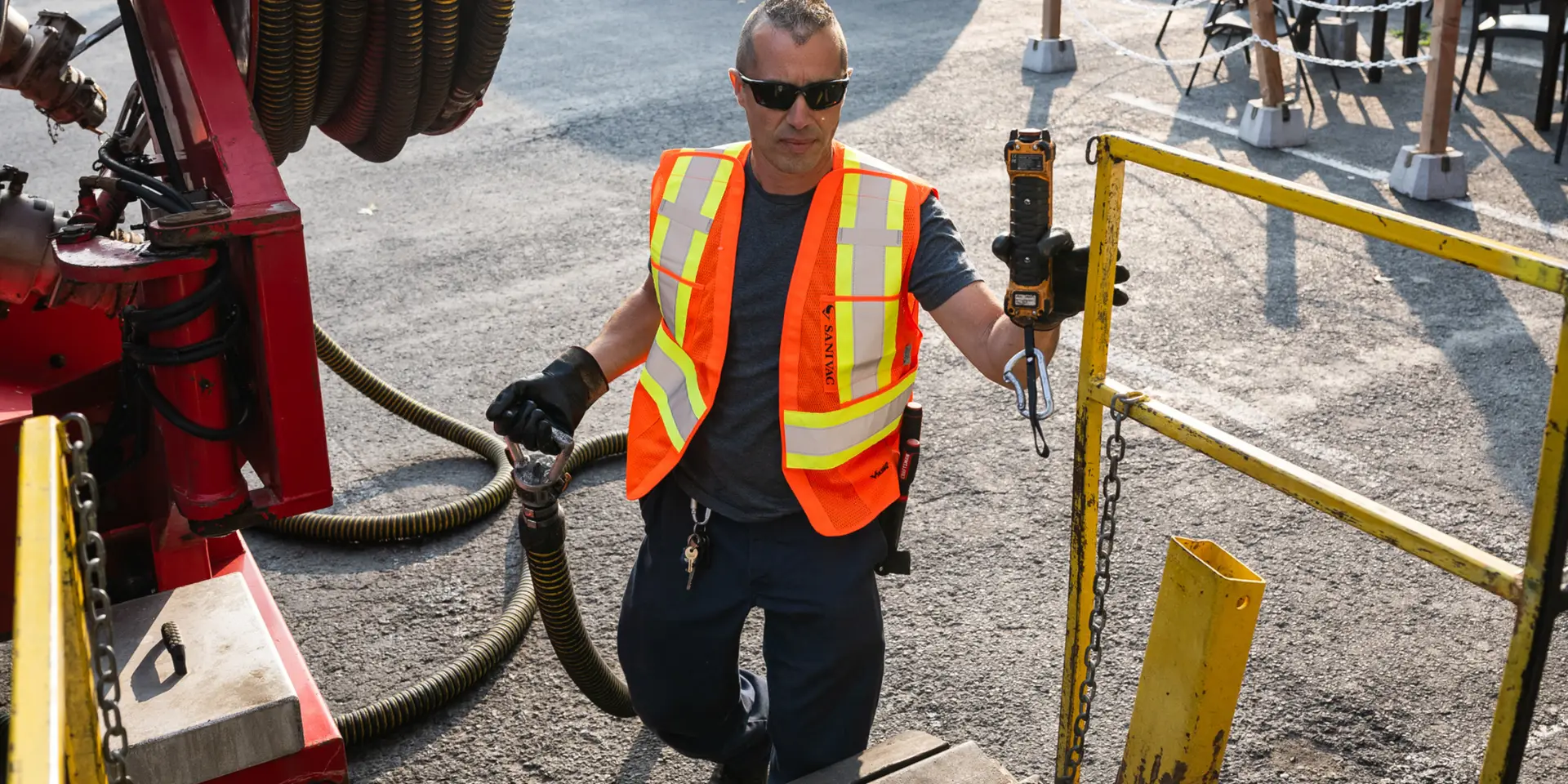
At Sanivac, this comprehensive grease management allows restaurateurs to centralize services and avoid costly emergency interventions.
How often should cooking oil be collected?
The frequency depends on the volume of oil generated, the type of cuisine, and the number of daily services. A high-traffic restaurant may require weekly collection, while a smaller establishment may opt for monthly pickup.
Regular collection limits excessive oil storage, reduces odors, and decreases the strain on grease traps and pipes. This proactive planning is one of the best ways to prevent emergencies.
What happens to cooking oil after collection?
Once collected, cooking oil is transported to authorized facilities where it is treated or recovered according to its composition. This process complies with current environmental regulations and ensures full traceability of materials.
For restaurateurs, this provides added protection during inspections while contributing to responsible waste management.
Why entrust used cooking oil collection to Sanivac?
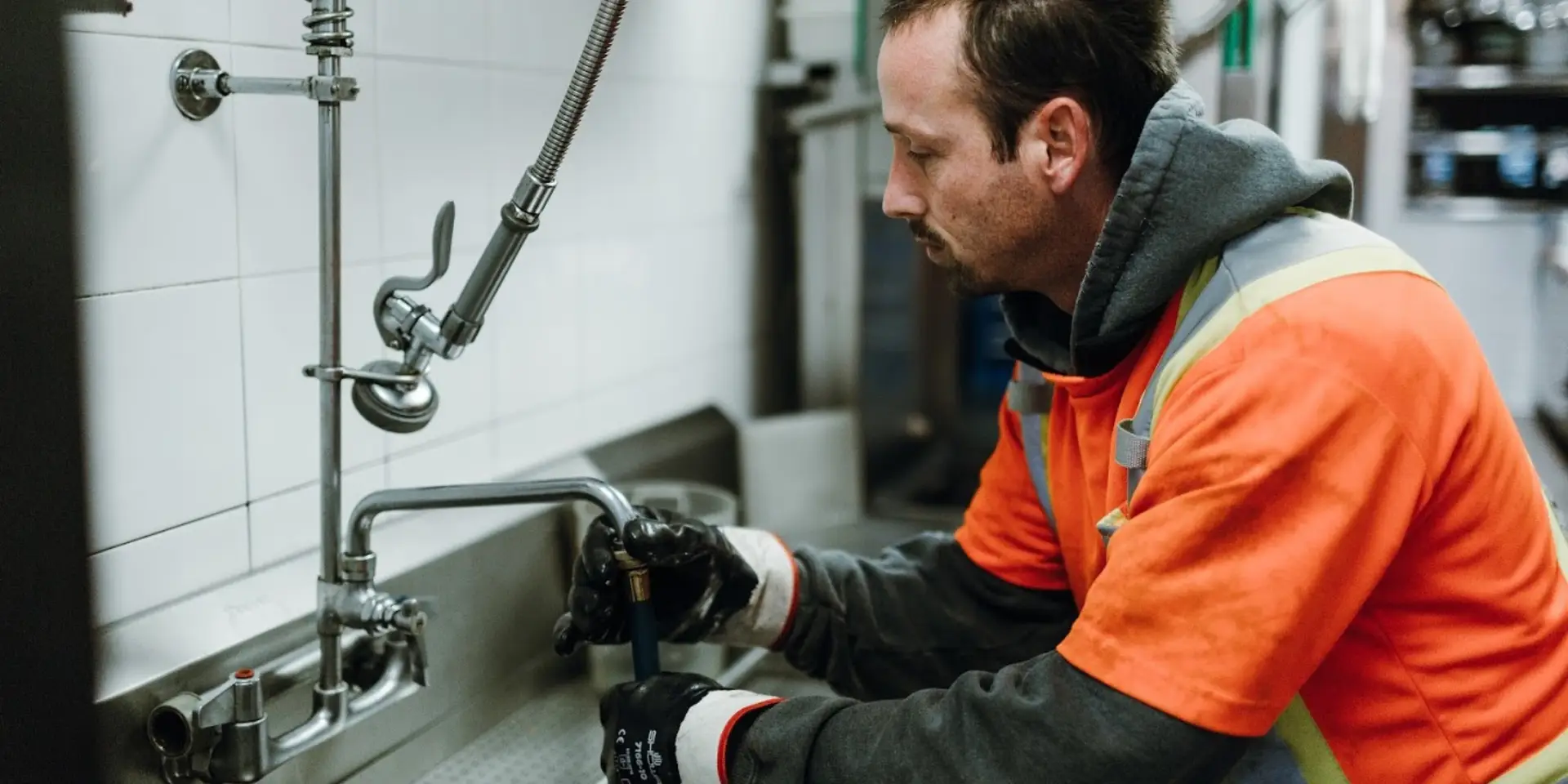
Sanivac offers much more than simple collection. With its expertise in environmental management and sanitary infrastructure maintenance, the company provides a turnkey approach perfectly suited to commercial kitchens.
In addition to used cooking oil collection, Sanivac offers:
- grease trap pumping and cleaning,
- kitchen drain cleaning and unclogging,
- cleaning of pipes connected to foodservice equipment,
- compliant management and disposal of greasy waste.
This centralized service approach allows restaurateurs to simplify operations, reduce operational risks, and ensure consistent, rigorous maintenance of their facilities.
A simple step to avoid major problems
Managing used cooking oil is not just a regulatory obligation. It is an essential lever to prevent blockages, protect infrastructure, maintain a healthy work environment, and preserve an establishment’s reputation.
By implementing a structured oil collection service combined with grease trap and drain maintenance, restaurants invest in the stability and sustainability of their operations.
Need a used cooking oil collection service or grease management solution ?
👉 Contact Sanivac for a complete, compliant solution tailored to the realities of commercial kitchens.