Skip to content



In a commercial kitchen, the grease trap is essential equipment, but it is too often neglected until a problem occurs. Yet inadequate maintenance can quickly lead to persistent odors, blocked drains, costly backflows, and even penalties during municipal or public health inspections. For restaurants, understanding the role of the grease trap and adopting a professional maintenance routine is an essential condition for operational continuity. This article answers the most frequently asked questions from restaurateurs and explains why professional pumping and cleaning of grease traps are indispensable.
What is a grease trap used for in a restaurant ?
The grease trap’s function is to retain fats, oils, and solid matter from kitchen wastewater before they reach the sewer system. Without this device, grease solidifies in the pipes, causing progressive blockages that can lead to major backflows. In a restaurant, where cooking and washing volumes are high, the grease trap acts as a protective barrier for both internal plumbing and municipal infrastructure. When properly maintained, it helps ensure proper drain operation, reduce odors, and maintain regulatory compliance.
Why is grease trap cleaning mandatory ?
Grease management is strictly regulated by municipalities and health authorities. A restaurant with a poorly maintained grease trap is exposed to warnings, fines, and, in some cases, temporary closure of the establishment. Beyond legal obligations, regular cleaning helps prevent critical situations such as overflows during peak service periods, unexpected plumbing repairs, or odor-related complaints. Professional maintenance is therefore both a compliance measure and a preventive investment.
How often should a grease trap be cleaned ?
The cleaning frequency depends on several factors specific to each establishment. The volume of meals served, the type of menu, the size of the trap, operating hours, and the kitchen layout directly influence how quickly grease accumulates. As a general rule, commercial kitchens should plan for cleaning every 2 to 12 weeks. High-traffic restaurants, such as production kitchens, quick-service establishments, or hotels, often require more frequent service. A professional assessment helps determine the optimal frequency to avoid emergencies.
What are the signs that a grease trap is full or clogged ?
Several signs indicate that cleaning is due. Slow drainage, persistent odors near sinks or drains, visible grease in the trap, or backflows are clear indicators of excessive buildup. Upcoming municipal inspections often also act as a trigger to schedule cleaning. Waiting until the problem becomes critical significantly increases the associated risks and costs.
What does professional grease trap cleaning include ?
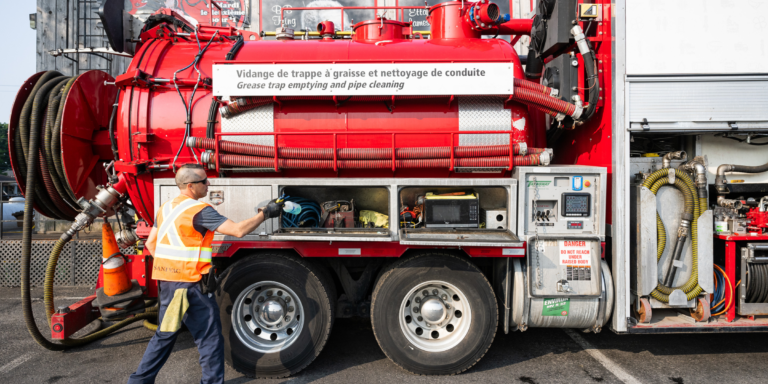
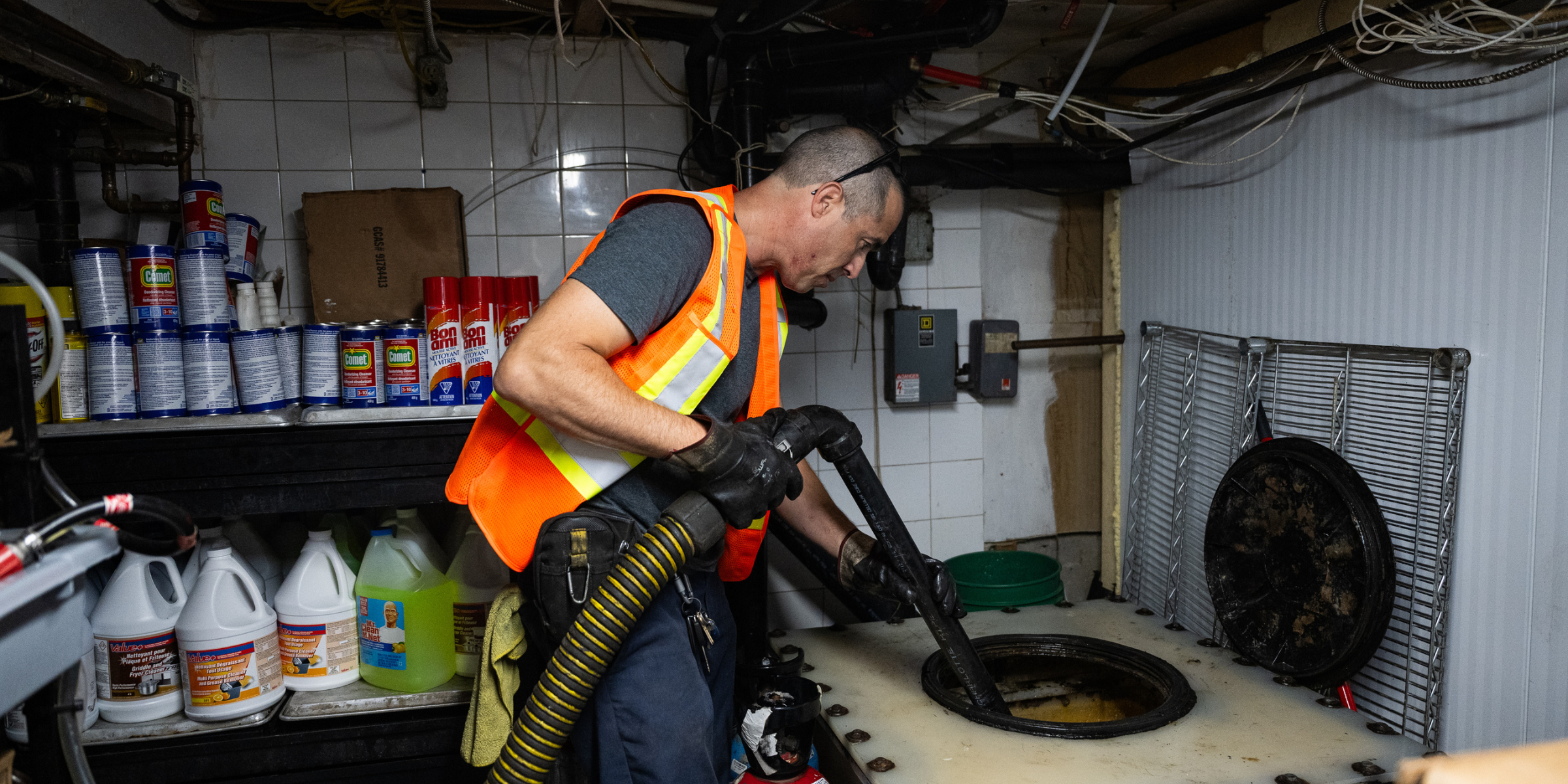
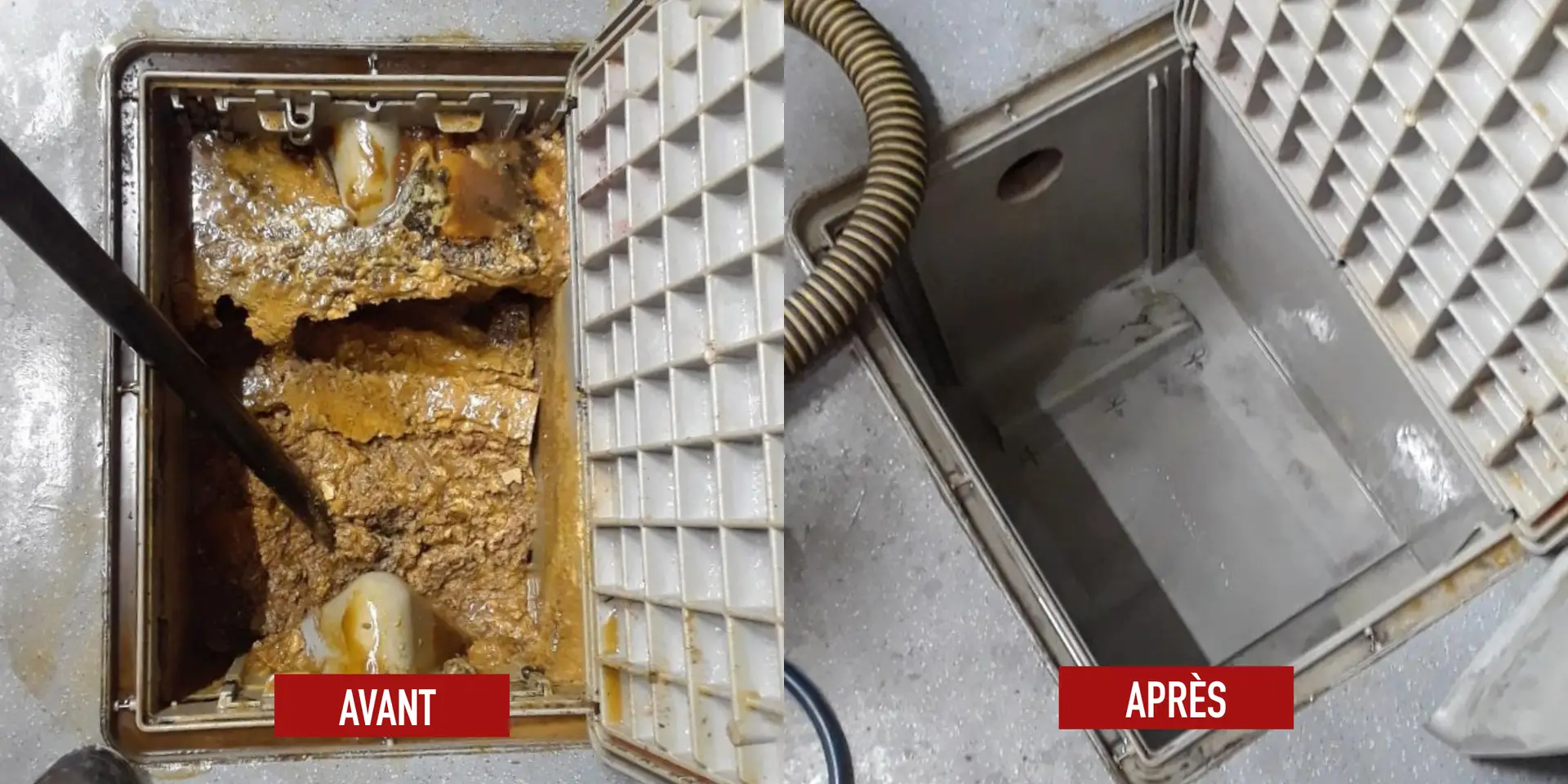
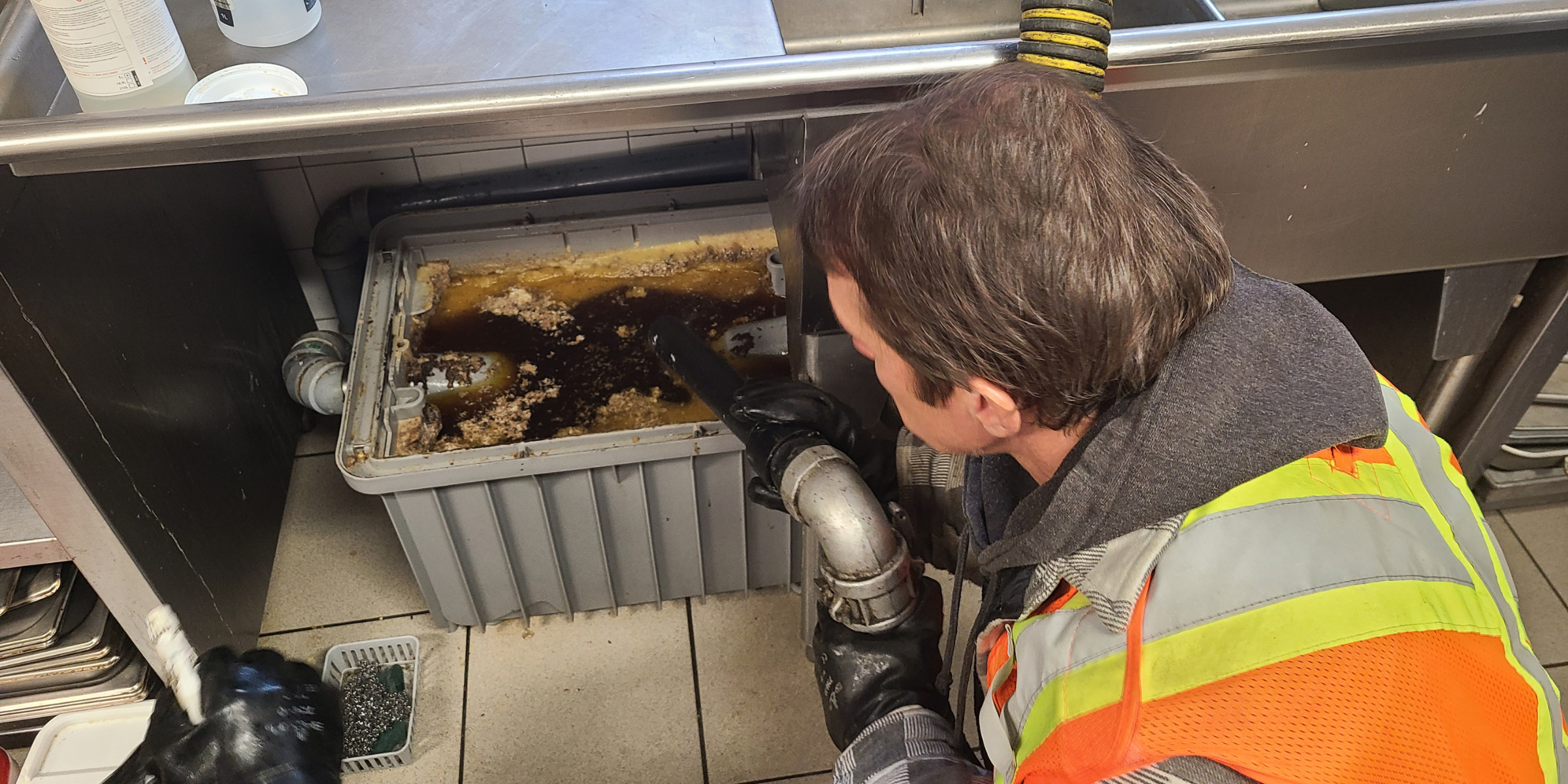
Professional cleaning goes far beyond simple pumping. It includes complete emptying of the trap, removal of fats, oils, sludge, and solid matter, as well as thorough cleaning of the walls, bottom, and internal components. This methodical approach restores the trap’s original capacity, reduces odors, and helps prevent backflows. The residues are then transported to authorized treatment sites, and compliance documentation is provided to the restaurateur.
Can a grease trap be cleaned during operating hours ?
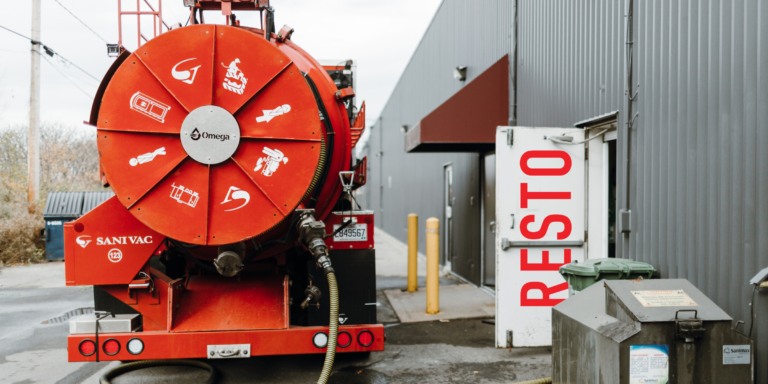
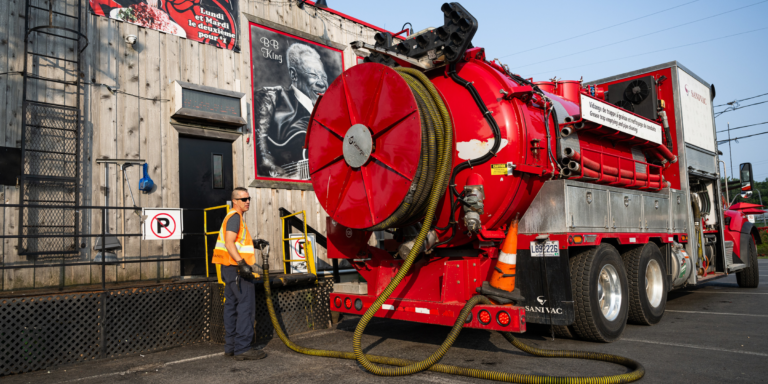
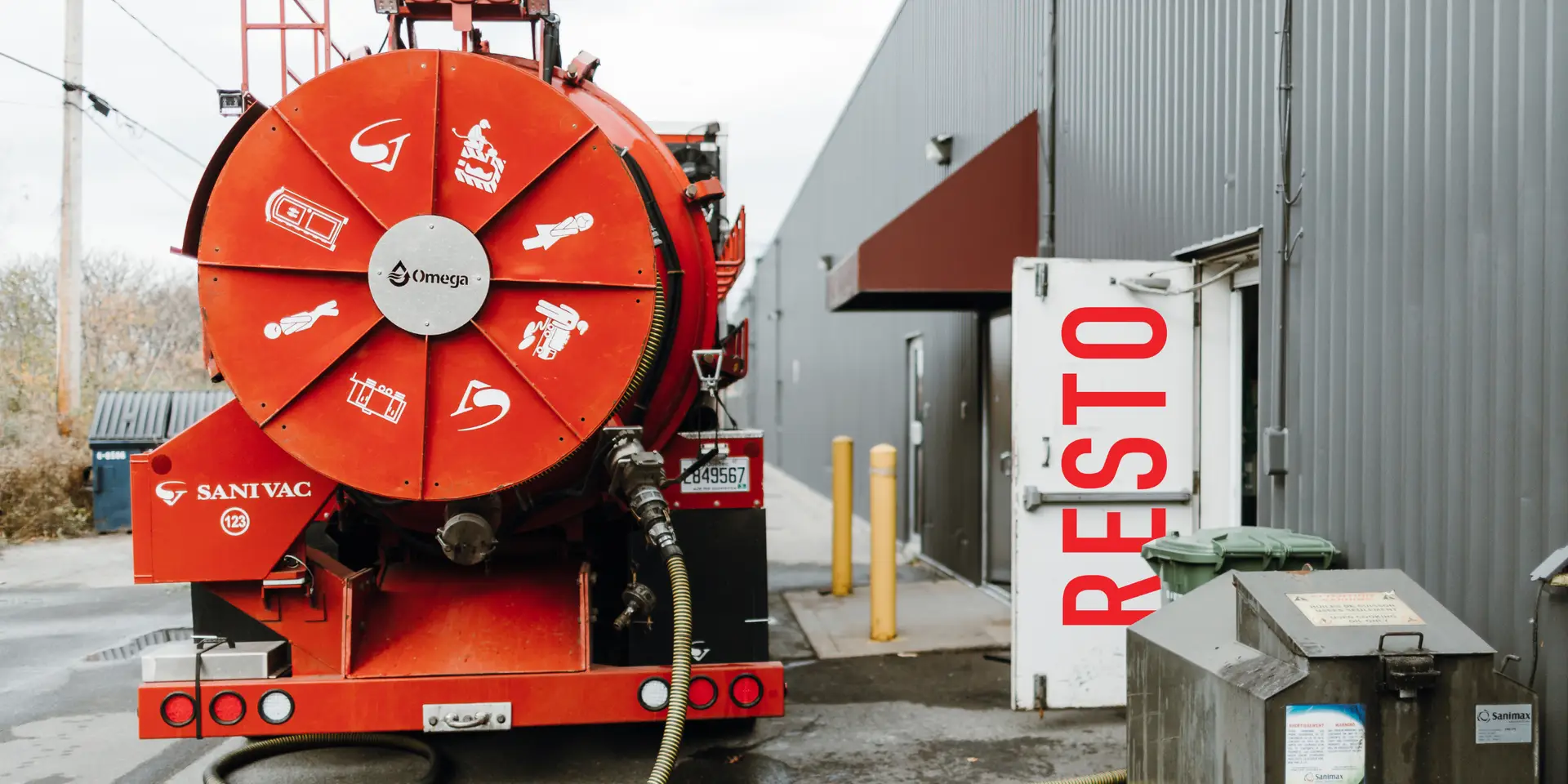
This is a frequent question among restaurateurs, and the answer is yes. A well-structured professional service can be carried out quickly and discreetly, without disrupting kitchen operations. In some cases, cleaning can also be scheduled outside of operating hours to minimize impact. The use of specialized trucks and appropriate equipment makes it possible to intervene efficiently, even in confined or hard-to-access areas, while maintaining a high level of cleanliness and safety.
What happens to the recovered fats and oils ?
The fats removed from grease traps must be managed responsibly and in compliance with regulations. They are transported to certified treatment facilities, in accordance with current environmental standards. This traceability is essential to demonstrate compliance during municipal or public health inspections. Entrusting this step to a specialized company protects the restaurant from legal and environmental risks, while ensuring the safe management of residual materials.
Why a maintenance program is preferable to one-off interventions ?
Waiting for a problem to occur before taking action exposes the restaurant to unexpected interruptions and higher costs. A planned maintenance program, tailored to the kitchen’s volume, helps prevent overflows, reduce wear on plumbing, and ensure ongoing compliance. This proactive approach provides peace of mind for managers, while contributing to operational stability and the establishment’s reputation.
Why choose Sanivac for grease trap cleaning ?
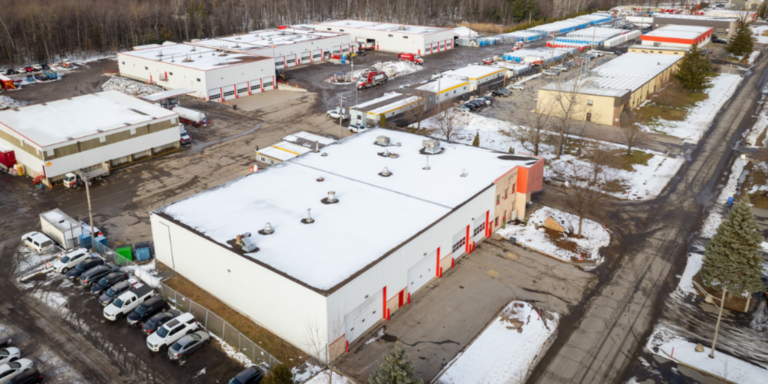
Working with a specialized partner makes it possible to centralize management, ensure compliance, and benefit from proven expertise. With nearly 65 years of experience, a specialized fleet, and extensive coverage across Quebec and Ontario, Sanivac provides comprehensive service, from thorough cleaning to the compliant disposal of residues. Restaurateurs benefit from a reliable, structured service designed to meet the real demands of commercial kitchens, while minimizing interruptions and risks.
Conclusion : essential maintenance for the health of your restaurant
The grease trap is a key component of the proper operation of a commercial kitchen. Regular professional cleaning not only helps meet municipal and health requirements, but also prevents costly emergencies, unpleasant odors, and service interruptions. For restaurateurs, investing in structured and compliant maintenance is a strategic decision that protects the business, staff, and customers. A well-maintained grease trap directly contributes to the performance, safety, and long-term sustainability of your establishment.
👉 Need maintenance or an assessment of your grease trap ? A professional service tailored to your kitchen can make all the difference.