Drilling Mud


Pumping and management of drilling mud
A compliant and controlled solution for specialized worksites
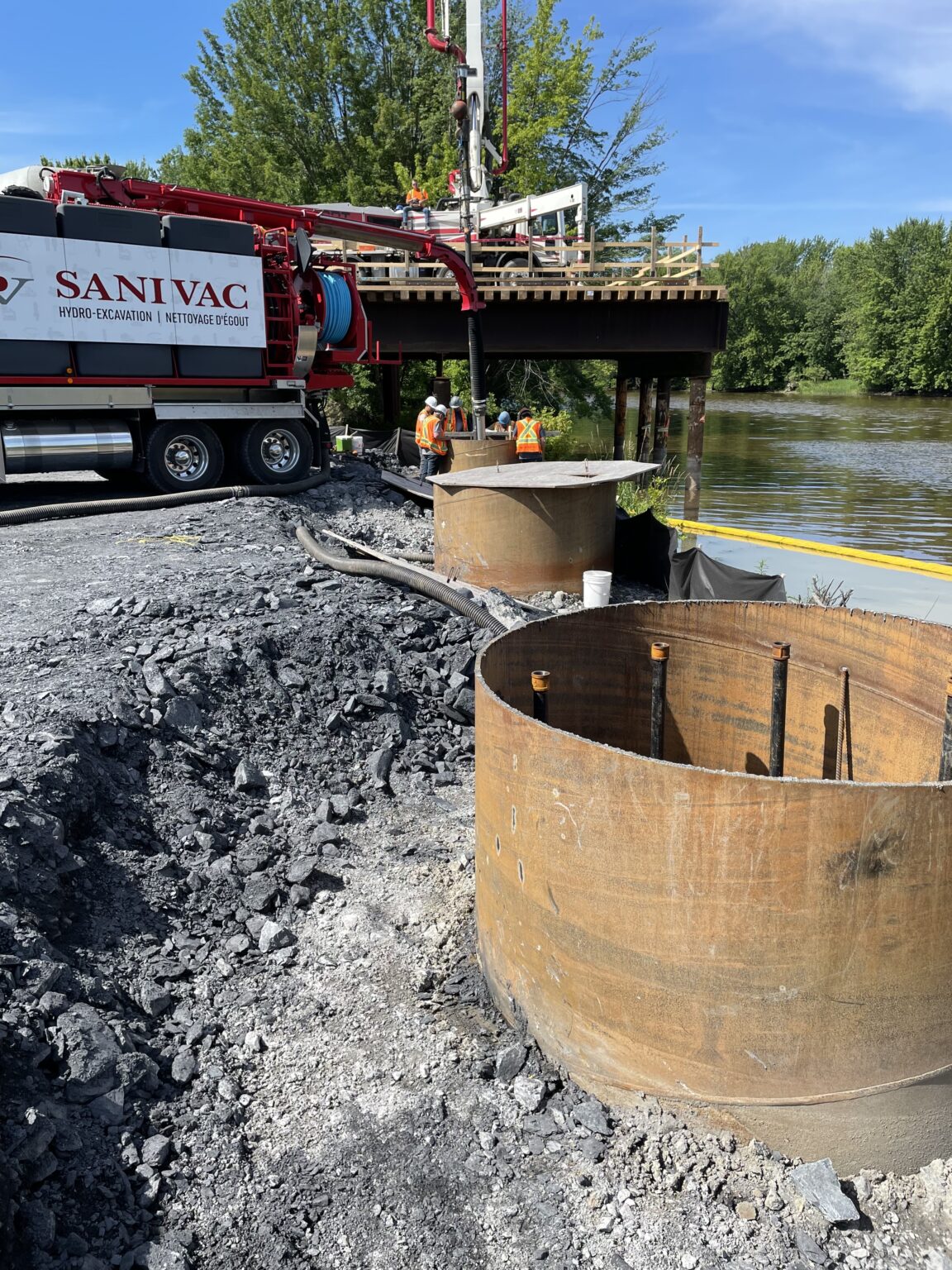
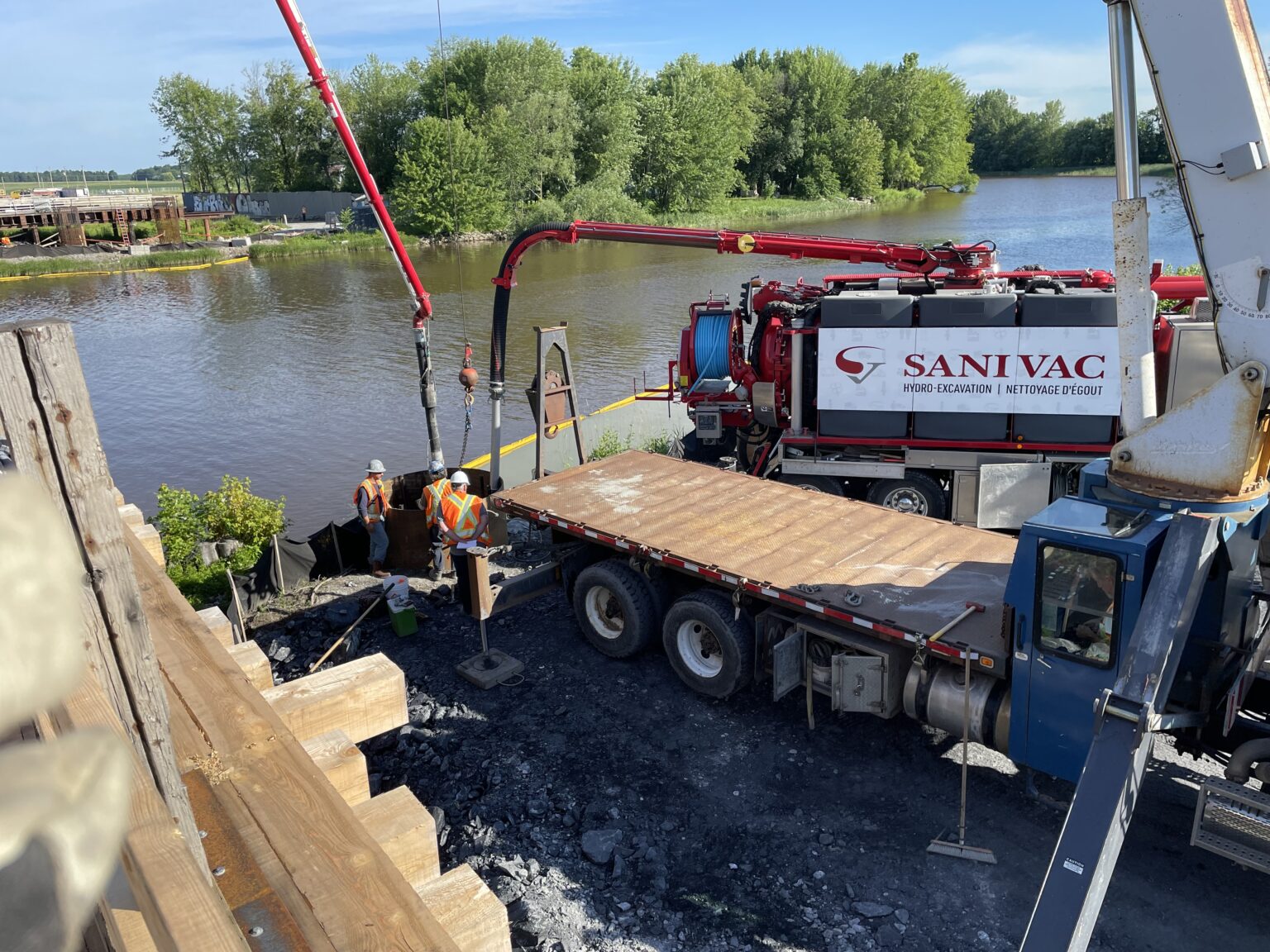
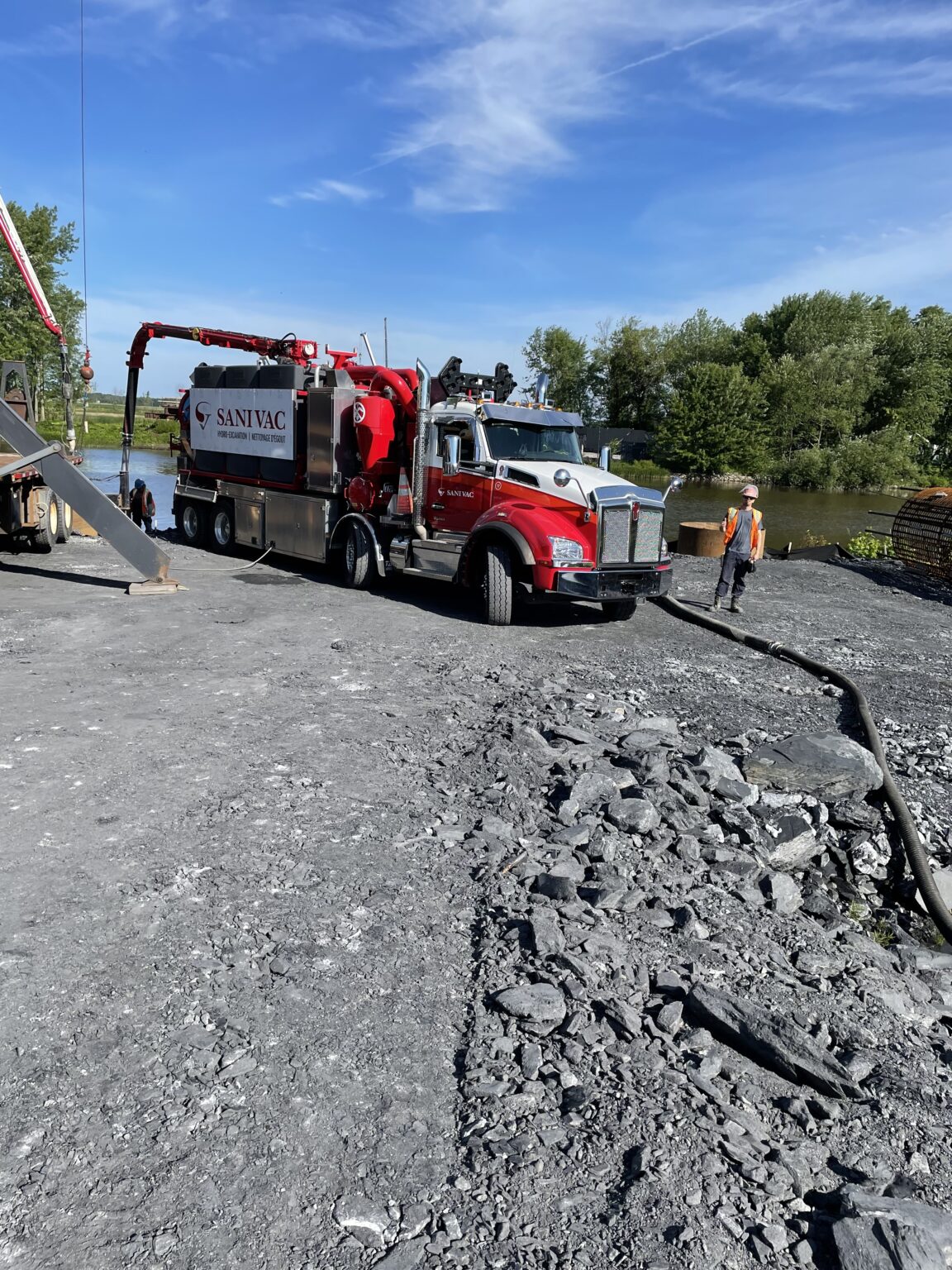
Drilling and hydro-excavation work generates large volumes of liquid slurry that must be managed with rigor to ensure job site safety, infrastructure protection, and compliance with environmental standards. At Sanivac, we offer a specialized drilling mud pumping and management service, carried out using hydrovac trucks and high-capacity pumping equipment. Our approach provides complete handling of drilling mud, from collection through to treatment or final disposal, in compliance with applicable regulations.
Transportation and treatment of drilling mud
Management in compliance with environmental requirements
Once pumped, drilling mud is transported by specialized trucks to transfer stations or approved treatment facilities. Depending on the nature of the materials and regulatory requirements, the mud may be :
- sent to drying facilities,
- treated using processes that allow the separation of water and solids,
- conditioned with absorbent agents, such as sawdust, to speed up drying.
These steps make it possible to convert liquid slurry into manageable solid materials or to prepare it for final disposal at authorized facilities.
Request a quote
Environmental management and contaminant control
A rigorous approach to protect soil and the environment
The management of drilling mud involves significant challenges, particularly with regard to the potential presence of contaminants. Sanivac applies rigorous practices to ensure responsible management of liquid soils, including verification of the characteristics of the pumped materials and compliance with the appropriate treatment channels.
Our methods aim to prevent any cross-contamination, comply with environmental standards, and ensure full traceability of materials, from extraction through to disposal or reuse where permitted.
Operational and environmental benefits
An efficient solution for modern worksites
Hydrovac drilling mud pumping offers numerous advantages :
- Enhanced safety, thanks to a non-destructive method that protects infrastructure and workers.
- Improved site cleanliness, as materials are immediately vacuumed, reducing soil buildup and cleanup requirements.
- Environmental compliance, thanks to controlled management of drilling mud and its treatment at authorized facilities.
- Operational efficiency, allowing work to progress without interruptions related to spoil management.
This solution is ideal for directional drilling sites, underground infrastructure work, and projects requiring rigorous management of excavated soils.
Choose Sanivac with confidence
Your partner for drilling mud pumping
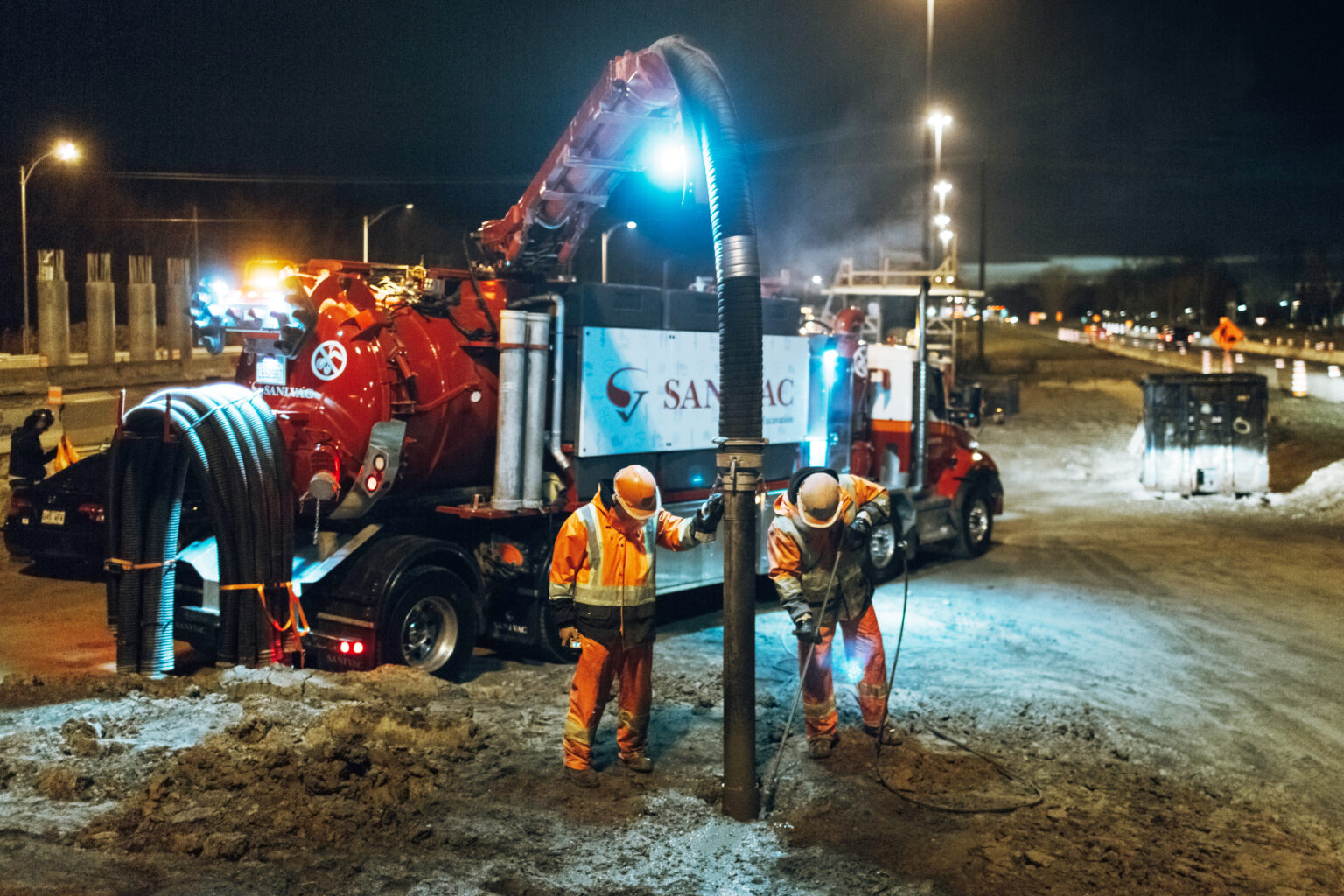
Drilling mud pumping and management require specialized equipment, field expertise, and in-depth knowledge of environmental requirements. By entrusting your operations to Sanivac, you benefit from a structured, safe, and compliant service, seamlessly integrated with hydro-excavation and drilling work.
Contact Sanivac to plan the pumping and management of your drilling mud or to discuss a solution tailored to your worksite.
The Sanivac Expertise
Other Related Services
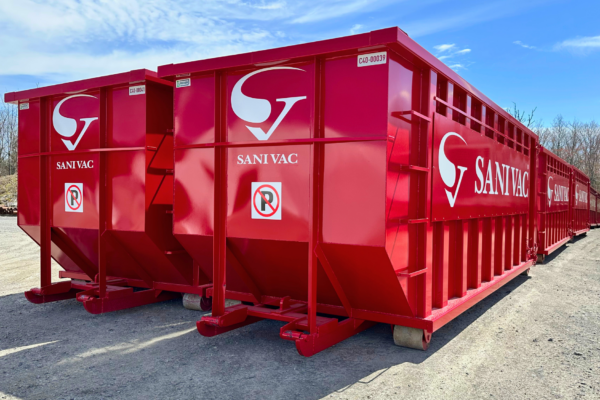
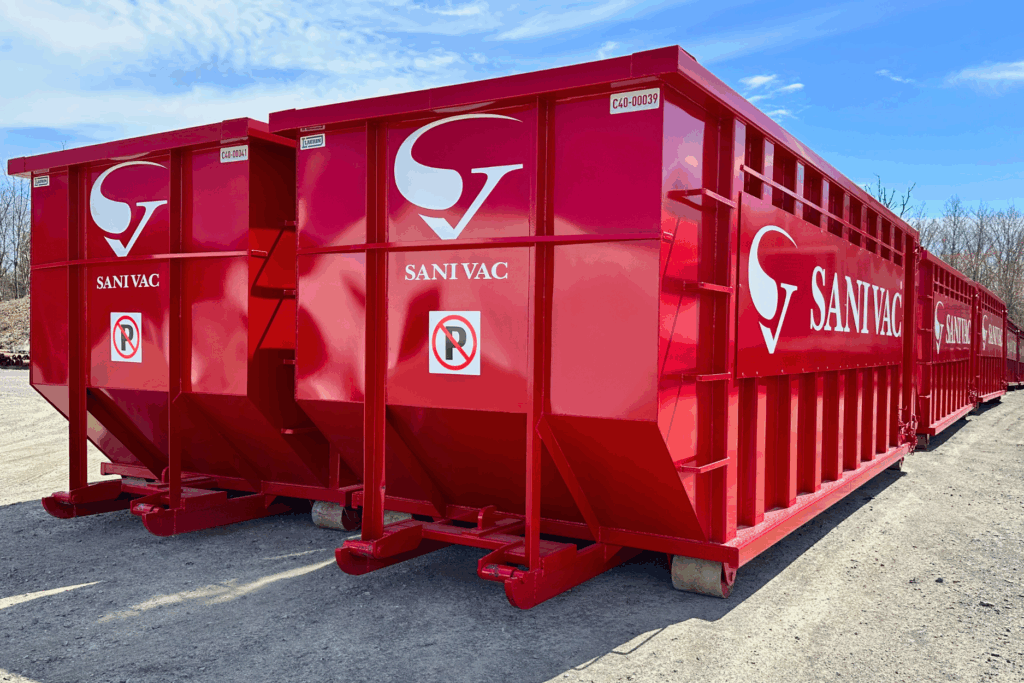
Container rentals
Perfect for renovations, major garage cleanouts, or yard cleanups, our residential containers are delivered quickly and placed with care.
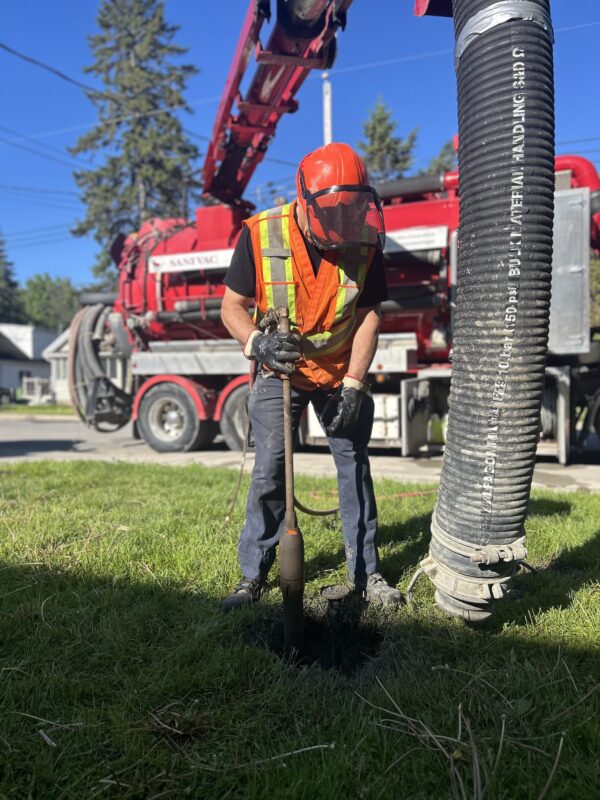
Hydro Excavation
Precise and safe hydro excavation in Québec. High-performance hydrovac fleet for municipal and industrial worksites and frozen ground, with no risk to infrastructure.
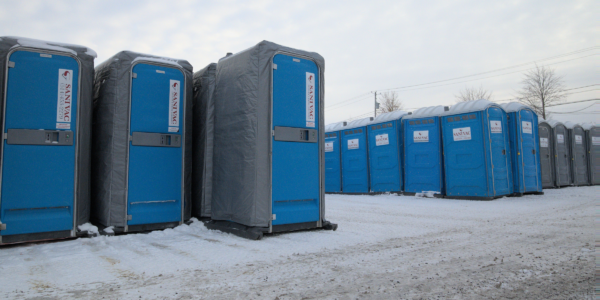
Toilet rental
Provide your teams with clean, durable sanitary facilities designed for job sites, delivered quickly and maintained to the highest hygiene standards.
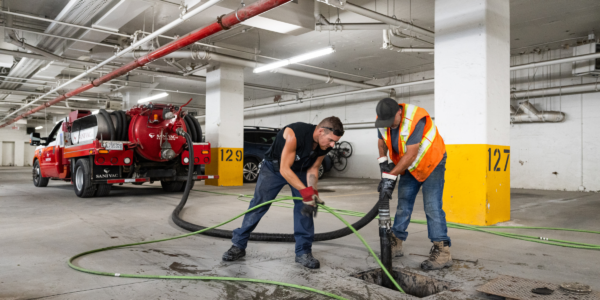
All Types of Pumping
We offer versatile pumping services for all types of needs, adapted to municipal, commercial, industrial, and residential requirements.
Drilling mud is a mixture of water and soil generated during drilling and hydro-excavation work. It must be pumped to ensure job site safety, prevent the accumulation of liquid materials, and comply with environmental requirements related to the management of excavated soils.
Pumping is carried out using a hydrovac system that combines high-pressure water with powerful vacuum suction. The soil is loosened, transformed into liquid slurry, and then directly vacuumed into a sealed tank mounted on the truck, ensuring fast and controlled collection.
Drilling mud is transported to transfer stations or approved treatment facilities. It may be dried using specialized processes, treated to separate water from solids, or sent to final disposal sites in compliance with current environmental standards.
Yes. Hydrovac pumping is a non-destructive method that significantly reduces the risk of damage to underground infrastructure, such as gas and water lines or electrical cables, compared to traditional mechanical excavation.
Drilling mud management is required on directional drilling sites, hydro-excavation projects, municipal works, industrial projects, and any excavation that produces liquid soils requiring controlled treatment or disposal.
Drilling mud management must comply with strict regulations, including control of potential contaminants, transport to authorized sites, and material traceability. A specialized company ensures that the mud is treated or disposed of in a compliant and responsible manner.
In certain contexts, containment or pre-treatment solutions can be implemented directly on site, such as the addition of absorbent agents to speed up drying. However, most drilling mud is transported to specialized facilities for optimal treatment.
Drilling mud pumping and management require specialized equipment, technical expertise, and in-depth knowledge of environmental standards. Sanivac offers a complete, safe, and compliant solution, reducing the risks, delays, and costs associated with improper management of liquid soils.

Drilling mud is a mixture of water and soil generated during drilling and hydro-excavation work. It must be pumped to ensure job site safety, prevent the accumulation of liquid materials, and comply with environmental requirements related to the management of excavated soils.
Pumping is carried out using a hydrovac system that combines high-pressure water with powerful vacuum suction. The soil is loosened, transformed into liquid slurry, and then directly vacuumed into a sealed tank mounted on the truck, ensuring fast and controlled collection.
Drilling mud is transported to transfer stations or approved treatment facilities. It may be dried using specialized processes, treated to separate water from solids, or sent to final disposal sites in compliance with current environmental standards.
Yes. Hydrovac pumping is a non-destructive method that significantly reduces the risk of damage to underground infrastructure, such as gas and water lines or electrical cables, compared to traditional mechanical excavation.
Drilling mud management is required on directional drilling sites, hydro-excavation projects, municipal works, industrial projects, and any excavation that produces liquid soils requiring controlled treatment or disposal.
Drilling mud management must comply with strict regulations, including control of potential contaminants, transport to authorized sites, and material traceability. A specialized company ensures that the mud is treated or disposed of in a compliant and responsible manner.
In certain contexts, containment or pre-treatment solutions can be implemented directly on site, such as the addition of absorbent agents to speed up drying. However, most drilling mud is transported to specialized facilities for optimal treatment.
Drilling mud pumping and management require specialized equipment, technical expertise, and in-depth knowledge of environmental standards. Sanivac offers a complete, safe, and compliant solution, reducing the risks, delays, and costs associated with improper management of liquid soils.