Water main
work and breaks

Hydro excavation for water main work and breaks
Precise and safe interventions for drinking water networks
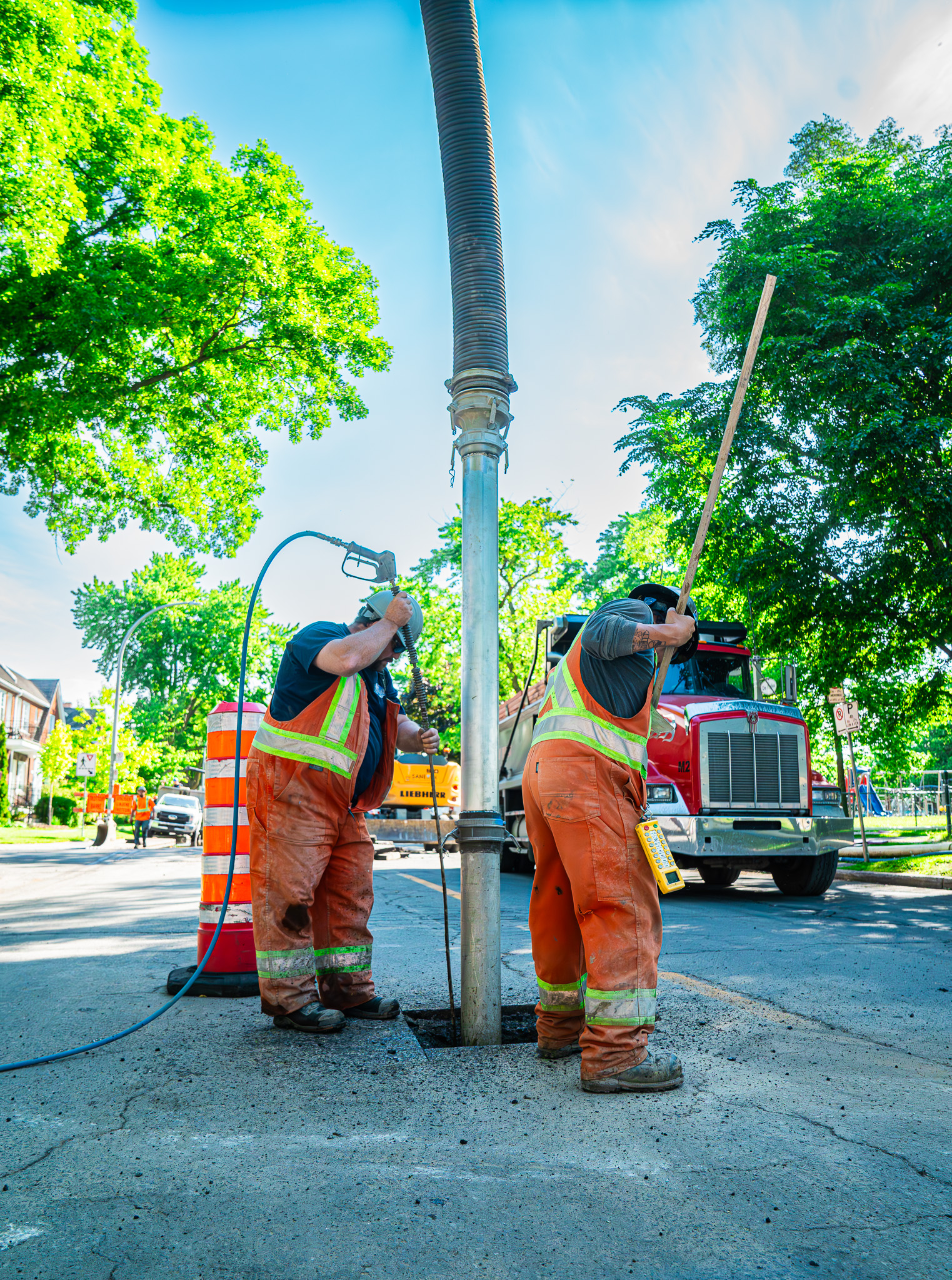
Maintenance and targeted interventions on water main networks
Controlled excavation to preserve the integrity of pipelines
Hydro excavation allows water main lines to be exposed with a high level of precision, without the risk of additional damage. This method is particularly well suited for maintenance work requiring absolute control of the excavated soil. Sanivac carries out, among other things, the replacement of line stops under pressure, ranging from small diameters to main shutoffs, as well as targeted interventions on existing networks. This approach reduces risks, speeds up work, and allows water distribution to be maintained safely during operations.
Request a quote
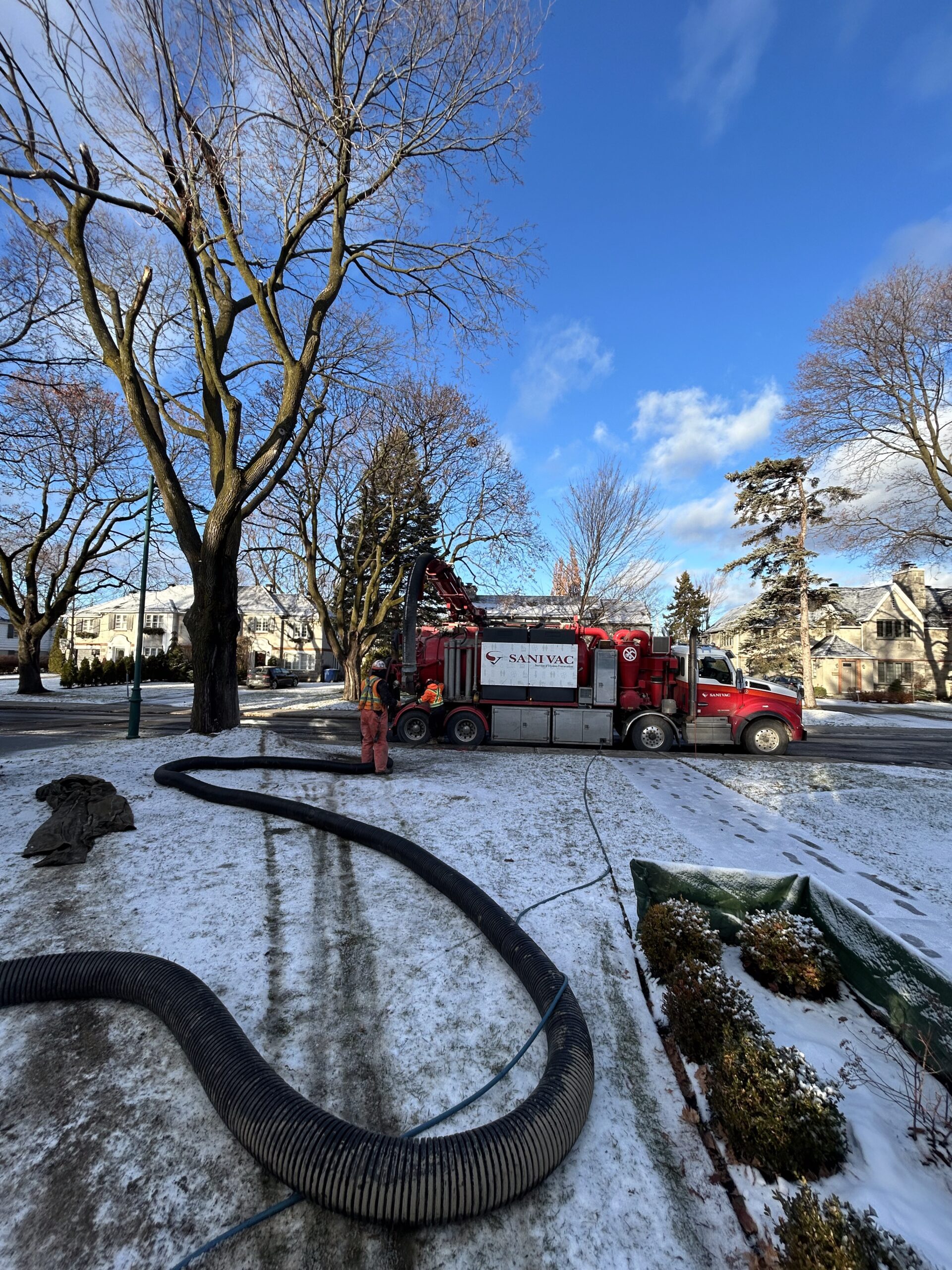
Realignment and releveling of network components
Optimize the accessibility and reliability of hydraulic systems
Over time, certain components of water main networks can shift, become damaged, or be difficult to access. Sanivac performs the realignment and replacement of valve boxes to ensure proper accessibility and optimal network operation. We also replace street valve bolts, which are often affected by corrosion, in order to preserve the reliability and durability of municipal infrastructure. Hydro excavation allows for precise intervention without disturbing adjacent pipes or surrounding surfaces.
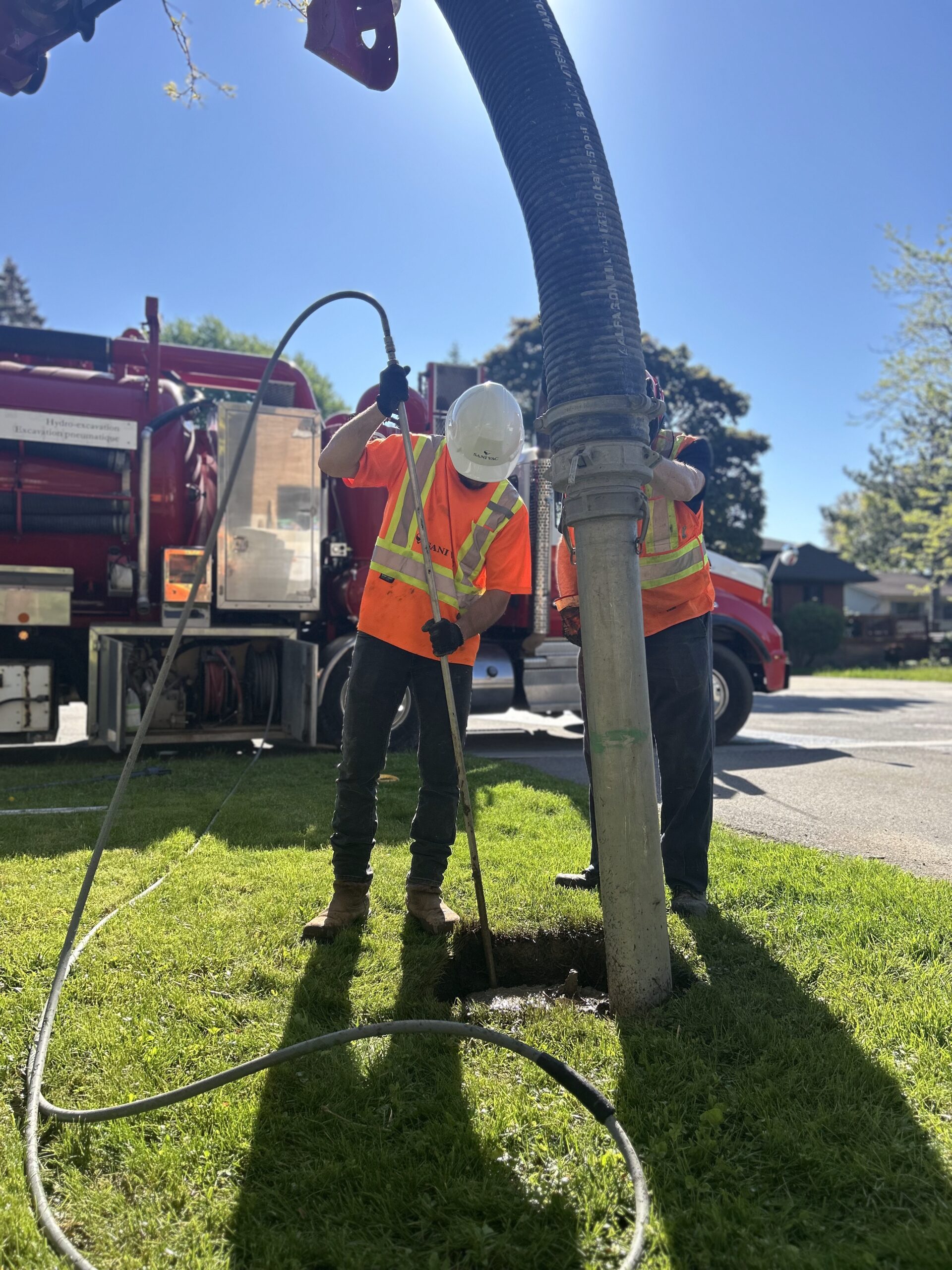
Upgrading service connections and critical components
Interventions compliant with public health standards
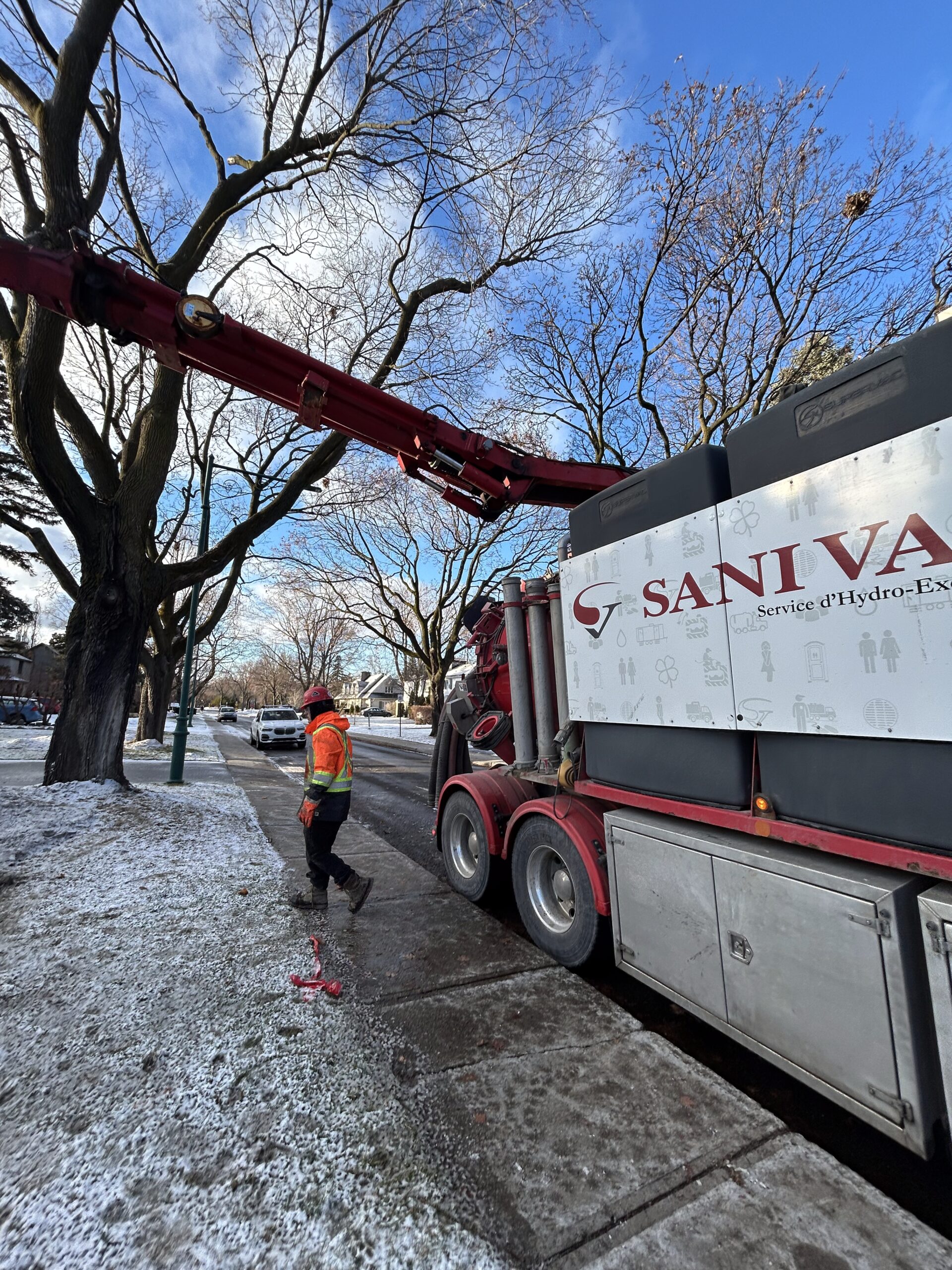
Recognized expertise in water main breaks and municipal works
Why entrust your water main work to Sanivac?
Water main breaks require fast, structured, and controlled interventions. Through hydro excavation, Sanivac is able to respond efficiently to water main breaks, corrective work, or planned maintenance projects while protecting existing infrastructure. Our teams apply rigorous protocols, comply with current standards, and prioritize safe, environmentally responsible methods. This approach helps reduce timelines, prevent collateral damage, and ensure the long-term sustainability of drinking water networks. Whether for emergency repairs, system upgrades, or preventive maintenance, hydro excavation is the ideal solution for working on water main networks without compromising safety or precision. Contact Sanivac to discuss your water main work or a break requiring specialized hydro excavation intervention.
The Sanivac Expertise
Other Related Services
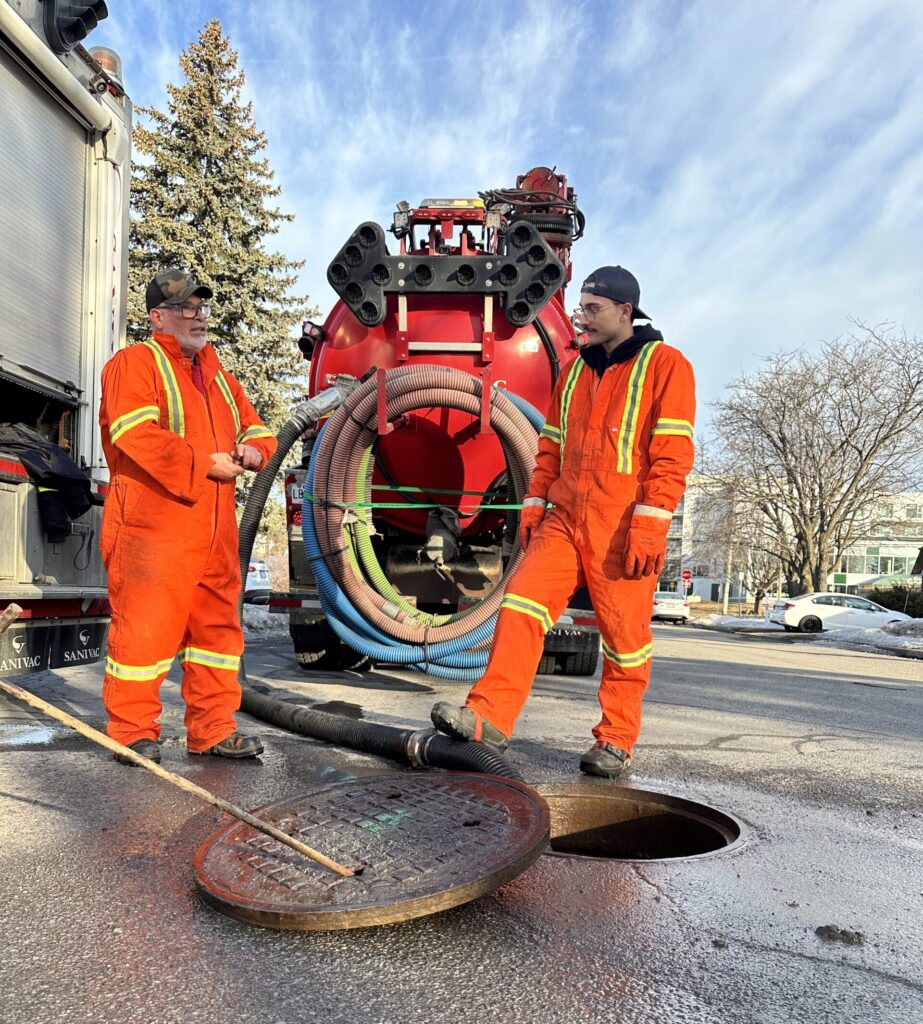
Sewer Cleaning and Unclogging
An efficient service for pipes, catch basins, and stormwater networks to prevent backups, blockages, and flooding.
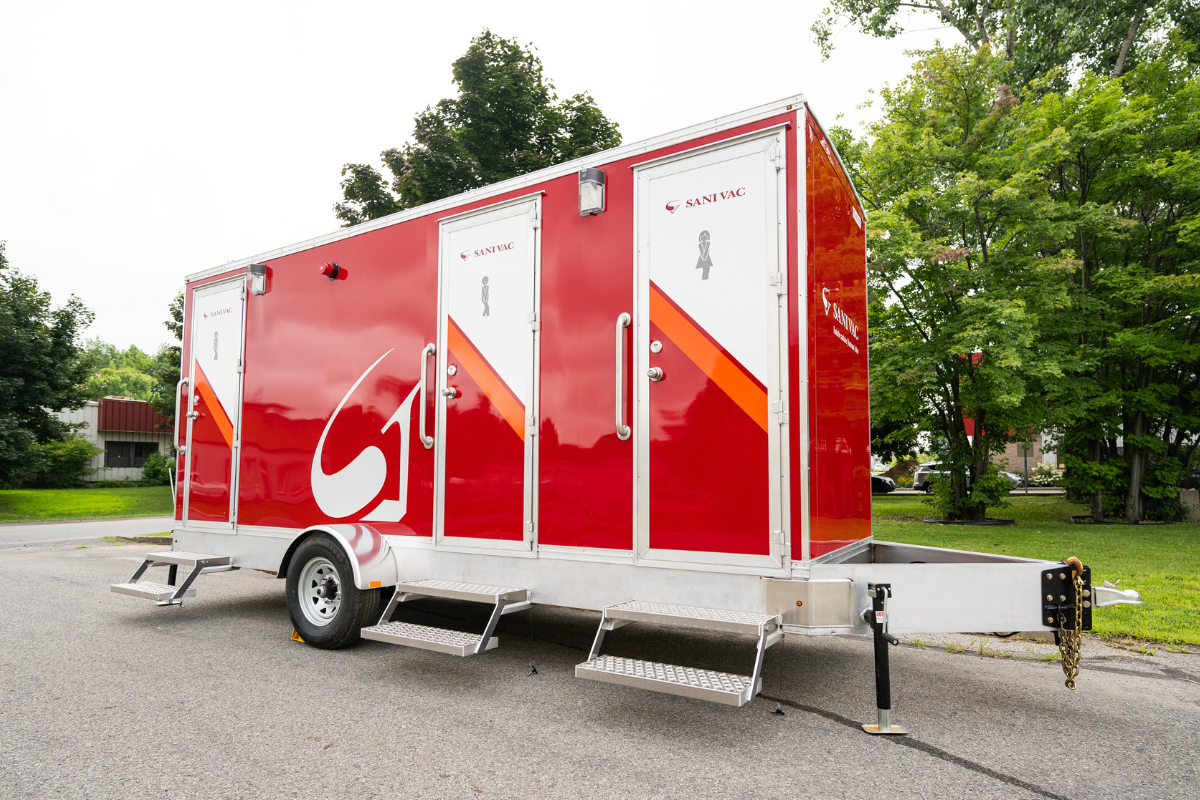
Sanitary Trailer Rentals
Rental of comfortable and reliable mobile restroom trailers, suitable for events, worksites, and projects of all sizes, with professional, spotless facilities.
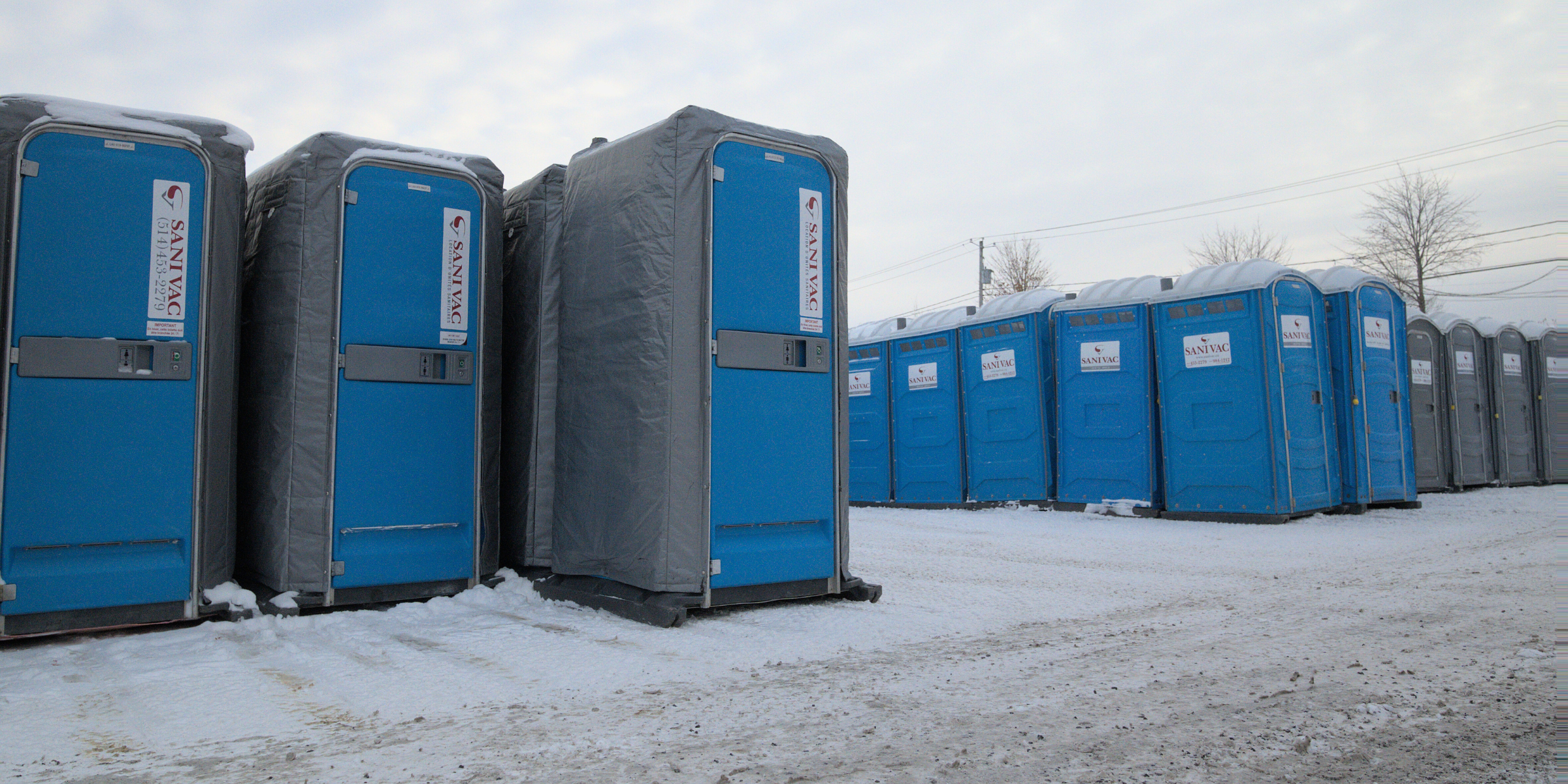
Toilet rental
Provide your teams with clean, durable sanitary facilities designed for job sites, delivered quickly and maintained to the highest hygiene standards.
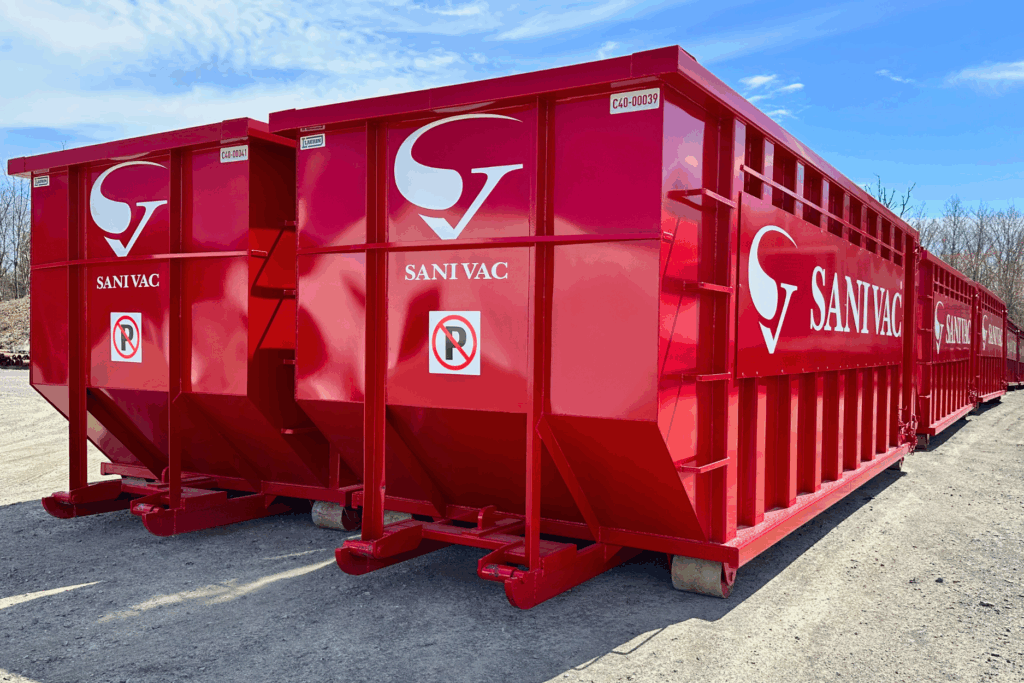
Container rentals
Perfect for renovations, major garage cleanouts, or yard cleanups, our residential containers are delivered quickly and placed with care.
Hydro excavation is a non-destructive method that allows water main lines to be exposed with precision, without the risk of additional damage. It is ideal for municipal work because it protects existing infrastructure while ensuring a safe and controlled intervention.
Yes. In the event of a water main break, hydro excavation allows quick access to the damaged pipe without worsening the situation. This method reduces the risk of collateral damage, speeds up repairs, and limits service interruptions.
Hydro excavation is used for several types of work, including the replacement of line stops and main shutoffs, the realignment or replacement of valve boxes, the replacement of street valve bolts, as well as the upgrading of service connections and critical network components.
Yes. Hydro excavation is particularly well suited for replacing lead service lines, as it allows for precise work around existing pipes. This method minimizes disruptions, protects other underground utilities, and complies with current public health standards.
Absolutely. Unlike mechanical excavation, hydro excavation does not apply cutting force to pipes. It is therefore much safer near drinking water, gas, electricity, and telecommunications networks, reducing the risk of accidents and damage.
Sanivac combines recognized field expertise, specialized equipment, and rigorous methods to work effectively on water main networks. Our teams operate under strict protocols to ensure fast, precise, safe, and compliant interventions that meet municipal and environmental standards.

Hydro excavation is a non-destructive method that allows water main lines to be exposed with precision, without the risk of additional damage. It is ideal for municipal work because it protects existing infrastructure while ensuring a safe and controlled intervention.
Yes. In the event of a water main break, hydro excavation allows quick access to the damaged pipe without worsening the situation. This method reduces the risk of collateral damage, speeds up repairs, and limits service interruptions.
Hydro excavation is used for several types of work, including the replacement of line stops and main shutoffs, the realignment or replacement of valve boxes, the replacement of street valve bolts, as well as the upgrading of service connections and critical network components.
Yes. Hydro excavation is particularly well suited for replacing lead service lines, as it allows for precise work around existing pipes. This method minimizes disruptions, protects other underground utilities, and complies with current public health standards.
Absolutely. Unlike mechanical excavation, hydro excavation does not apply cutting force to pipes. It is therefore much safer near drinking water, gas, electricity, and telecommunications networks, reducing the risk of accidents and damage.
Sanivac combines recognized field expertise, specialized equipment, and rigorous methods to work effectively on water main networks. Our teams operate under strict protocols to ensure fast, precise, safe, and compliant interventions that meet municipal and environmental standards.