Skip to content



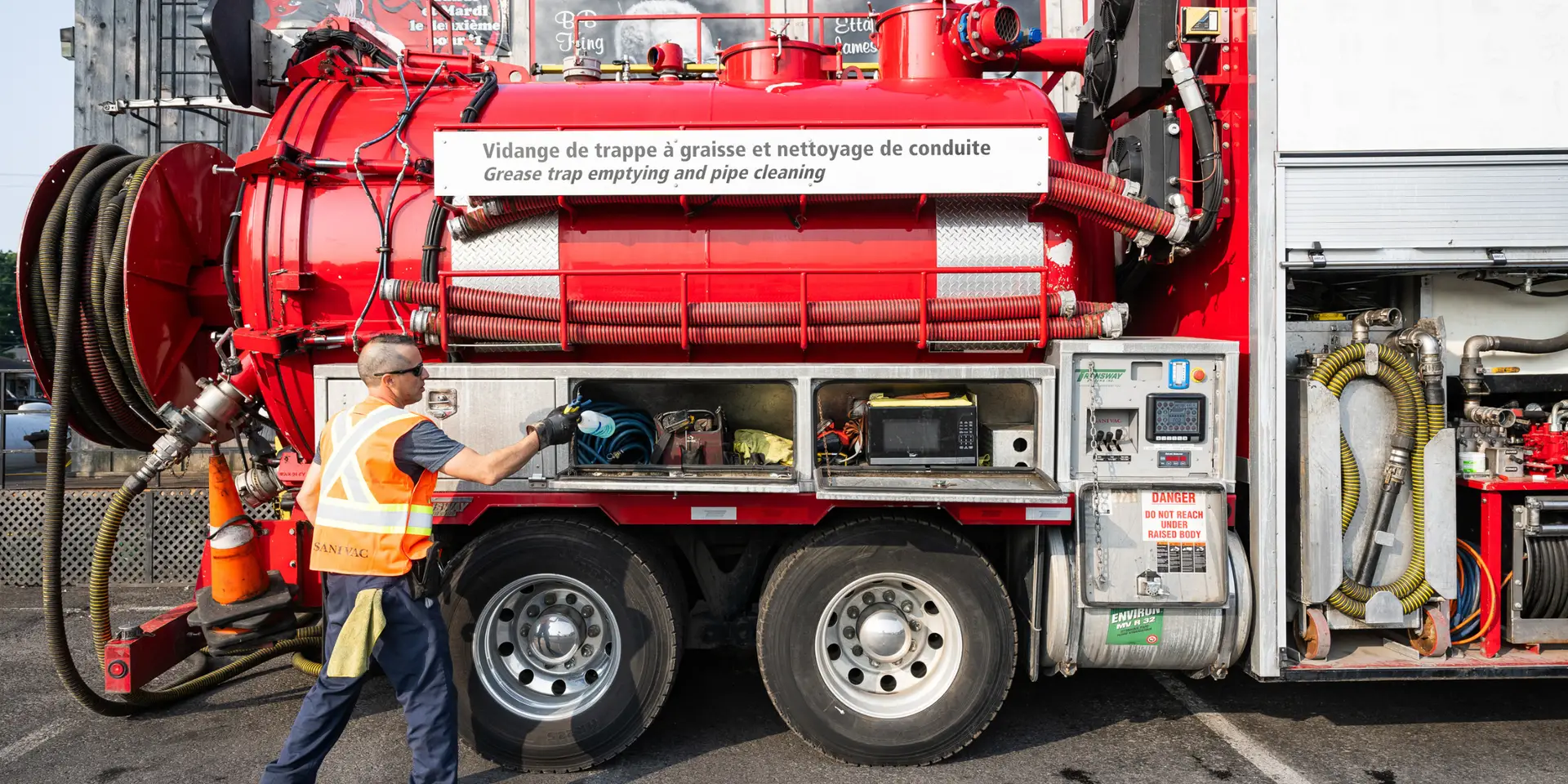
In commercial kitchens, grease management is a major issue to ensure proper system operation, prevent backups, and remain compliant with municipal requirements. While most restaurateurs understand the importance of regularly pumping grease traps, a question frequently appears in Google searches: should the kitchen drain lines connected to the grease trap also be cleaned? The answer is yes — and this cleaning plays an essential role in the overall performance of the system.
Understanding the Role of Drain Lines in a Commercial Kitchen
Commercial kitchen drain lines carry wastewater loaded daily with grease, oils, food residue, and organic matter. Even when the grease trap is functioning properly, some of these substances cling to the pipe walls, build up over time, and gradually reduce their capacity. These accumulations are not always immediately visible, but they slowly compromise wastewater flow and increase the risk of blockages.
Why the Grease Trap Alone Is Not Enough
The grease trap is designed to capture a portion of the grease before it reaches the sewer system. However, it does not fully protect the upstream and downstream drain lines. When these lines are not cleaned, grease that accumulates can harden, trap food residue, and form partial or complete blockages. Thus, even a regularly maintained grease trap can become ineffective if the drain lines are clogged. Cleaning the drain lines therefore serves as an essential complement to grease trap pumping.
What Problems Can Arise if the Drain Lines Are Not Cleaned ?
Grease buildup in the drain lines leads to several consequences. The most common are slowed drainage, persistent odors, and occasional backups in sinks or floor drains. These situations can quickly disrupt the operations of a commercial kitchen. In more severe cases, a complete blockage can cause an overflow, result in a temporary closure of the establishment, and generate significant costs for emergency cleaning and repairs.
Odors : a Often Overlooked Indicator
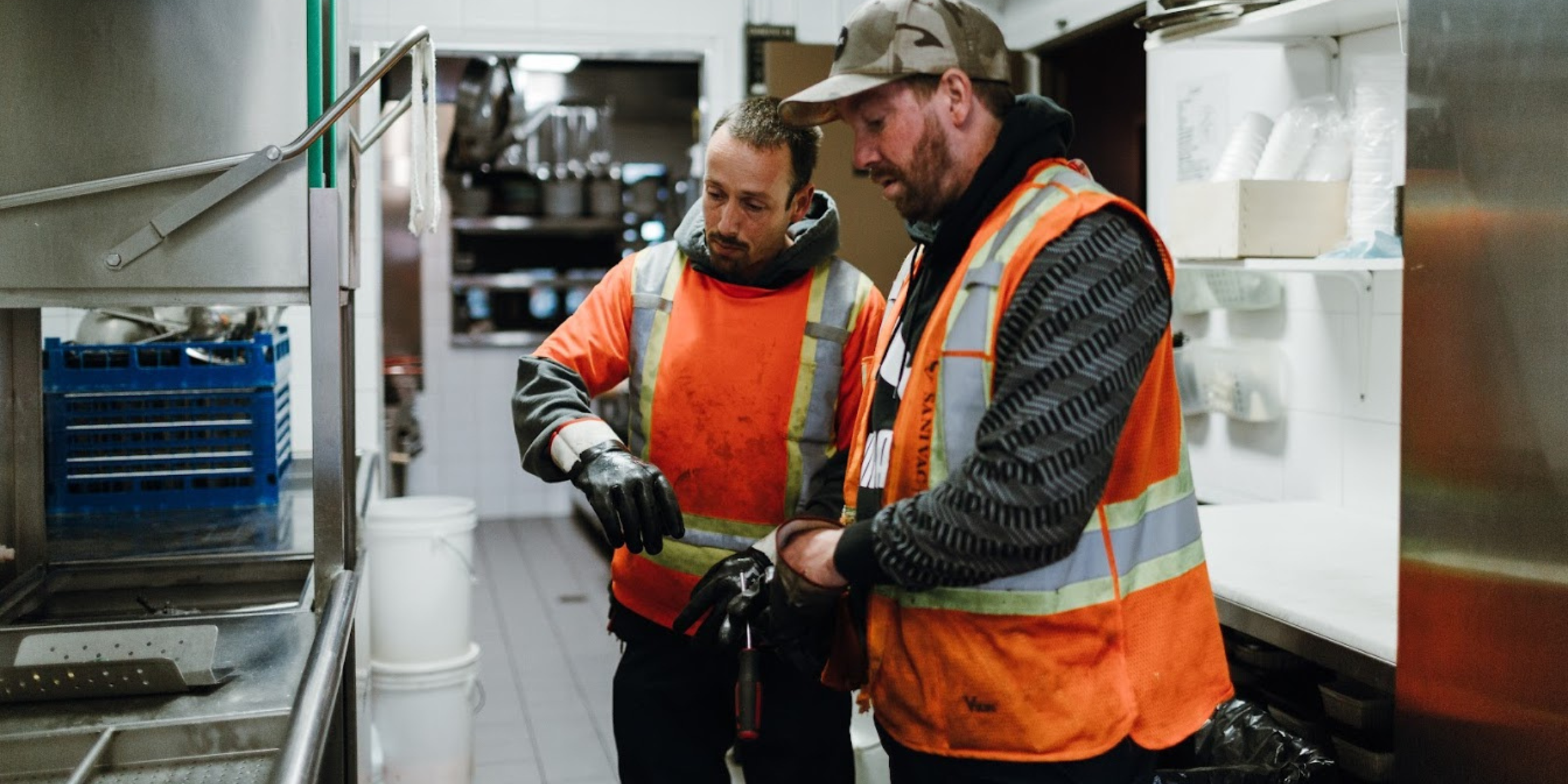
Persistent odors in a kitchen or near drains are often mistakenly attributed to the grease trap itself. In reality, these odors frequently come from clogged drain lines, where stagnant grease and organic matter decompose. Thorough cleaning of the drain lines removes the source of the problem and significantly improves the work environment for both staff and customers.
How Often Should Commercial Kitchen Drain Lines Be Cleaned ?
There is no universal frequency, as it depends on the level of activity, the type of menu, and cooking habits. High-traffic establishments or those that use a lot of fatty ingredients generally require more frequent cleaning. From a preventive standpoint, drain line cleaning is often integrated into the grease trap maintenance program to ensure consistent and effective management of the entire system.
A Matter of Municipal and Health Compliance
Many municipalities require restaurants to keep their drainage systems in good condition to protect public networks. During inspections, a backup or poor maintenance of the drain lines can result in notices of non-compliance, fines, or corrective requirements. Cleaning the drain lines helps demonstrate responsible facility management and reduces risks during municipal or public health inspections.
Why Entrust Drain Line Cleaning to Specialists ?
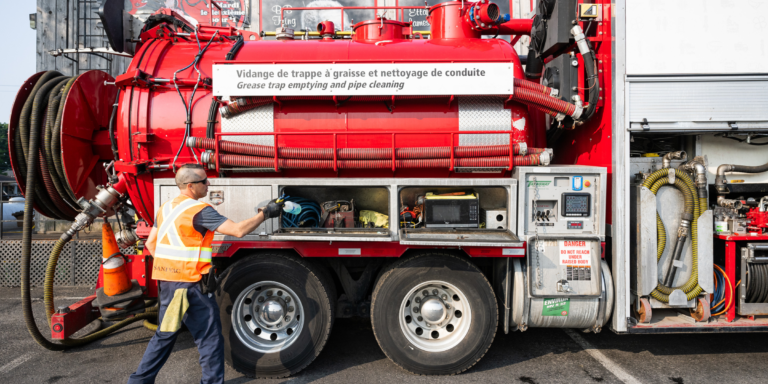
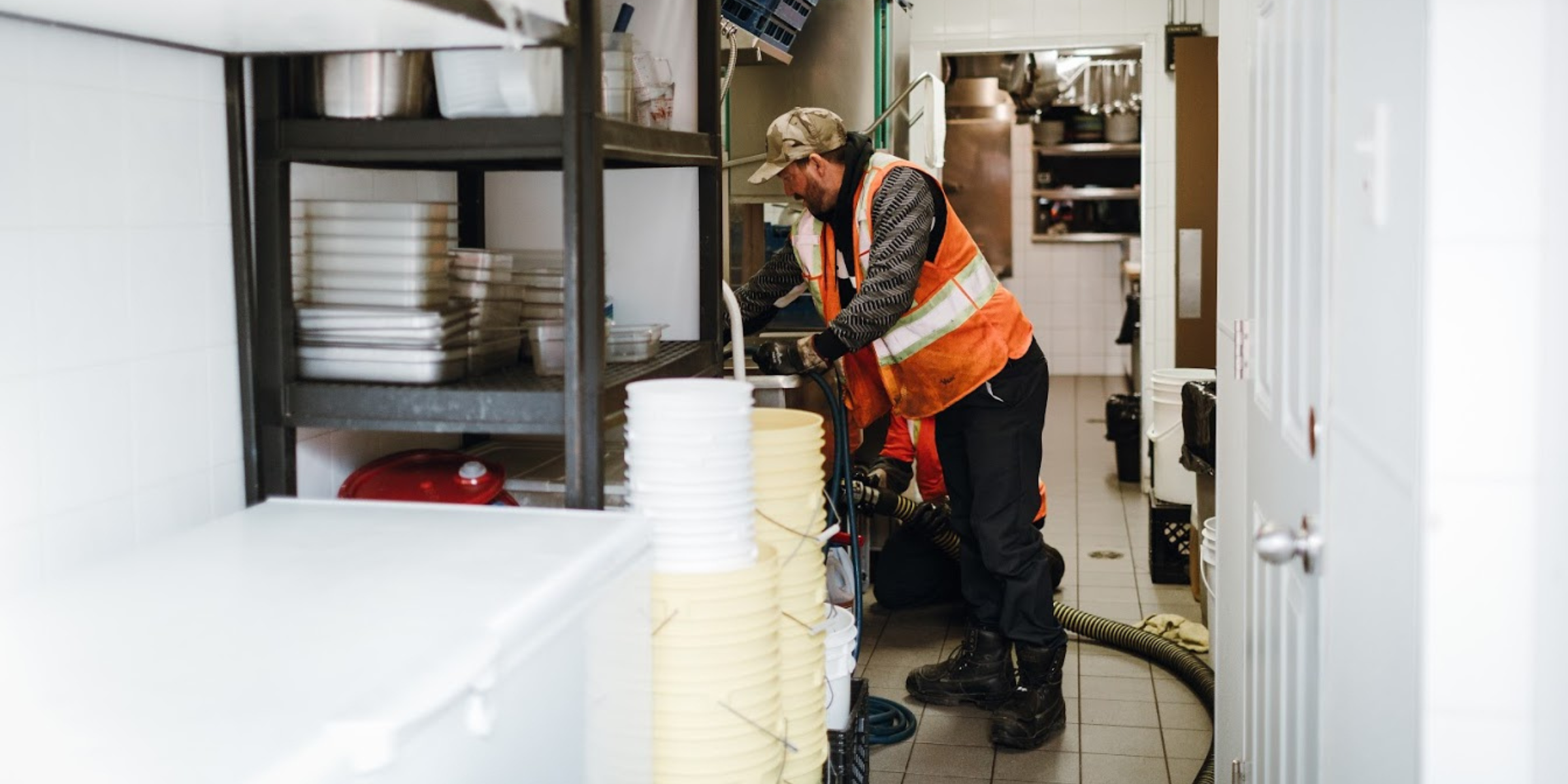
Cleaning commercial kitchen drain lines requires specialized equipment and in-depth knowledge of drainage systems. Inadequate intervention can dislodge deposits without fully removing them, worsening the problem over time. Specialized teams use proven methods to effectively remove grease buildup, restore the usable diameter of the pipes, and ensure optimal flow without damaging the facilities.
Sanivac’s professional approach
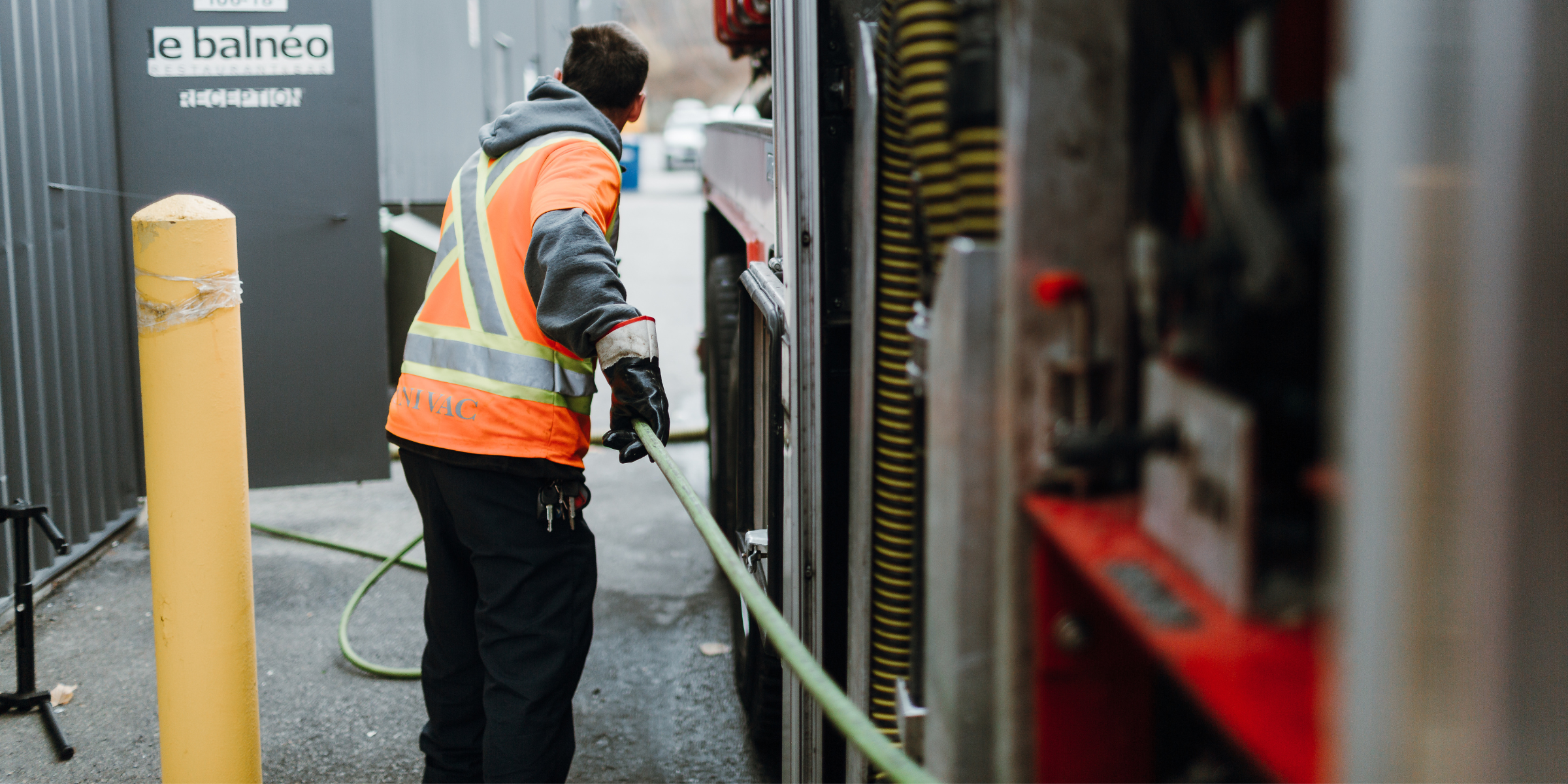
At Sanivac, cleaning commercial kitchen drain lines is treated as an essential component of overall maintenance. Our interventions are scheduled according to the operational realities of restaurants, with particular attention to discretion and continuity of activities. Our services help prevent emergencies, extend the lifespan of facilities, and support regulatory compliance, all while naturally integrating with the regular pumping of grease traps.
A Preventive Solution Rather Than an Emergency Response
Waiting for a backup to take action is often more costly and disruptive than preventive maintenance. Regular drain line cleaning allows for the detection of buildup before it causes a major problem and enables proactive measures. This approach minimizes interruptions, protects the facilities, and provides peace of mind for commercial kitchen managers.
Conclusion: Comprehensive Maintenance for High-Performing Kitchens
Cleaning commercial kitchen drain lines is a key element of effective grease management. In addition to grease trap pumping, it helps prevent blockages, eliminate odors, reduce the risk of backups, and ensure compliance with municipal requirements. For restaurants and commercial kitchens, integrating drain line cleaning into a regular maintenance program is a strategic decision that promotes operational stability and the longevity of the facilities.
👉 Want to prevent emergencies and optimize the maintenance of your commercial kitchens ?
Contact Sanivac to schedule the cleaning of your drain lines or to integrate this service into your grease trap maintenance program. Click here !